


Food manufacturers

Artificial Food Flavoring

Compare artificial food flavoring for beverages, bakery, and candy with practical sample request guidance and conservative labeling checks.

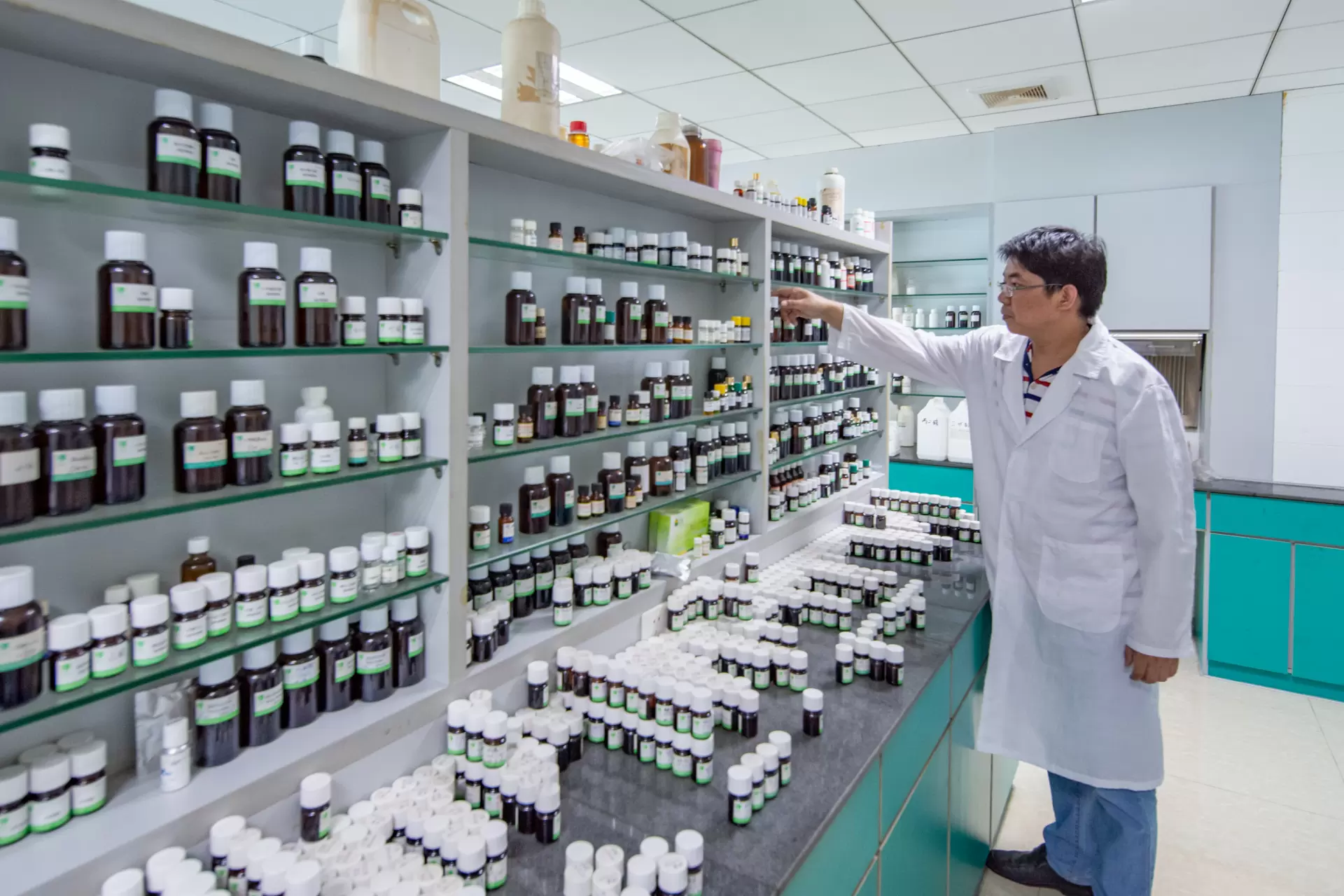
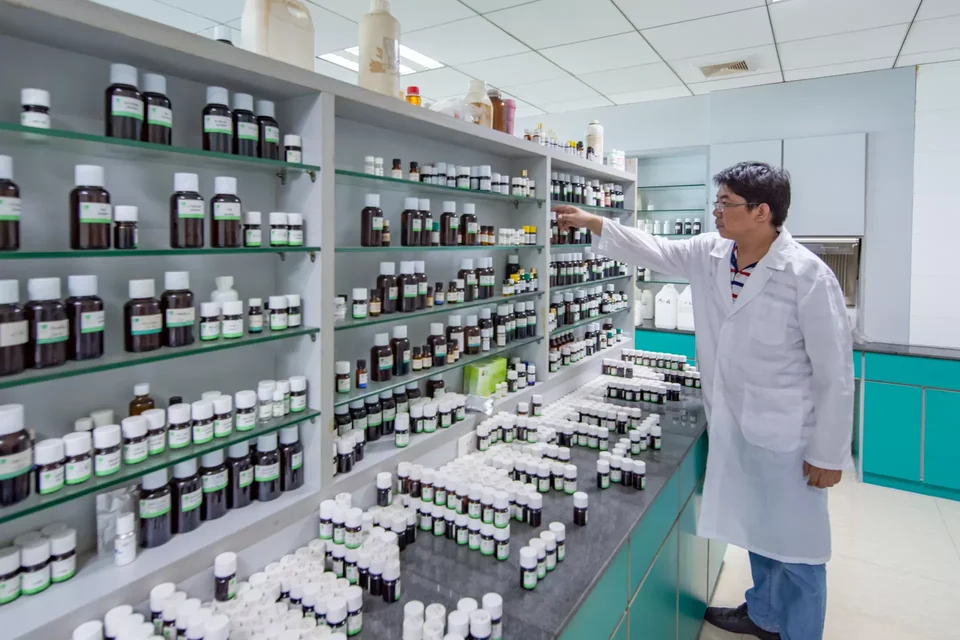
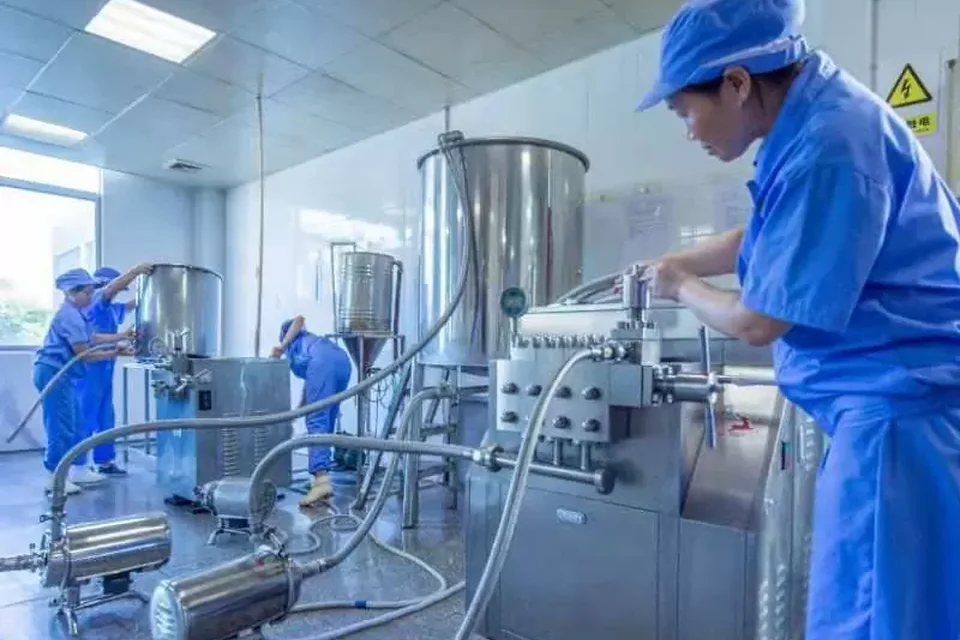
Artificial Food Flavoring application visual
57answer words
7buyer FAQs
RFQsample path

Application visual for flavor selection, sample review, and buyer discussion.

Direct answer

What a buyer needs to know first

Artificial food flavoring is used to create or strengthen a desired taste profile when a natural flavor declaration is not required or is not the best fit. It may help with cost control, consistency, intensity, and heat or acid stability. The final choice still depends on permitted use, target market rules, application testing, and customer label requirements.

Buyer brief

Check fit before requesting a sample

Target buyerFood manufacturers, private-label developers, beverage brands, confectionery producers, bakery suppliers, and purchasing teams preparing a sample request or RFQ for food-grade flavors.
Search intentB2B buyers comparing artificial food flavoring for beverage, candy, bakery, and other food applications, especially when cost, consistency, strength, or flavor stability are more important than a natural flavor label.
Keyword themeArtificial Food Flavoring
Next stepRequest samplesShare application, format, market, quantity, and document needs.

Application guidance

Review the flavor in the real product system

Sample review

Send the details that make a flavor quote useful

Food flavors change with sweetness, acid, fat, process, storage, format, and market requirements. A practical brief helps the supplier choose a better sample path.

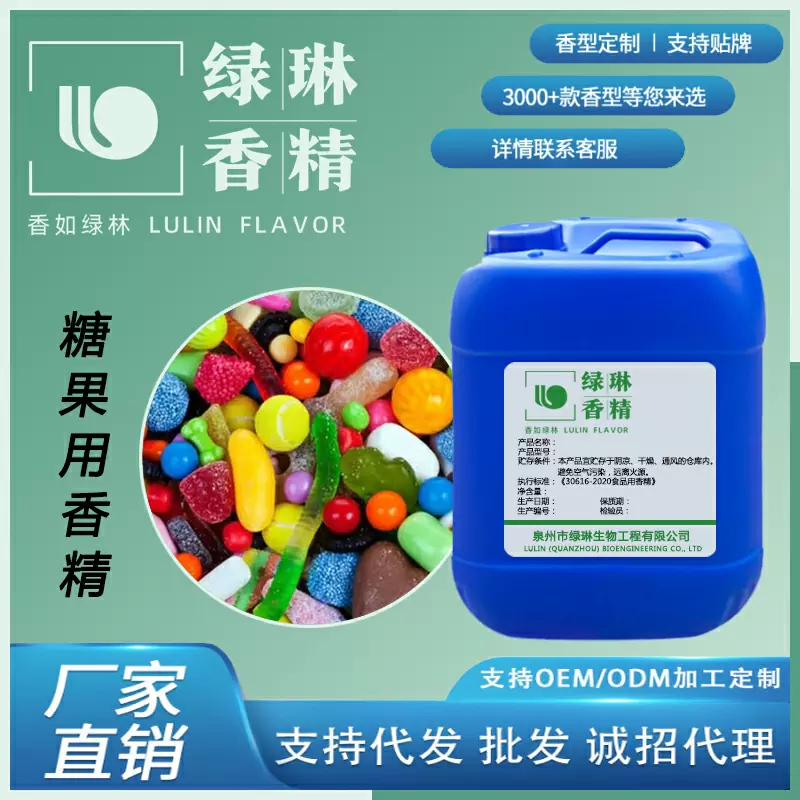
Food flavor sample review process visual

RFQ checklist

Information to prepare before requesting samples

Buyer FAQ

Common questions before sample selection

What is artificial food flavoring used for?

Artificial food flavoring is used to create, strengthen, or standardize flavor in food and beverage products when a natural flavor declaration is not required or not practical for the formula.

Is artificial food flavoring allowed in every market?

No. Flavoring use and labeling depend on the destination market, finished application, ingredients, and customer policy. Buyers should request market-specific review and documentation before launch.

Is artificial flavoring always cheaper than natural flavoring?

Often it can be more cost-efficient, but not always. Cost depends on profile complexity, format, concentration, raw materials, order volume, document requirements, and supplier production conditions.

Can artificial food flavoring be used in bakery and candy?

It may be used in bakery and candy if permitted for the application and market. Buyers should test heat stability, cooking conditions, flavor release, and storage before approving a sample.

What documents should I request?

Depending on the project, buyers may request SDS/MSDS, TDS, allergen statement, COA, regulatory statement, and label declaration support. Availability and exact wording: Needs confirmation from the supplier.

What are examples of artificial flavors?

Examples of artificial flavors are best understood as buyer profile requests, such as fruit, candy, vanilla-style, dairy-style, beverage, bakery, mint, coffee, chocolate, or savory seasoning directions. Specific profile availability, format, use level, documents, market suitability, MOQ, price, packaging, shelf life, and lead time are Needs confirmation.

How are artificial flavors made?

Artificial flavors are generally formulated from selected aroma compounds and supporting materials chosen for the target application. The exact composition is product-specific and may be proprietary. Buyers should focus on application fit, label wording, required documents, use level, stability, solubility, and heat/acid/alcohol behavior. All are Needs confirmation.

Topic cluster

Explore related flavor topics

Inquiry path

Move from page research to sample discussion

Request samples
Project details and business terms are confirmed before public use. Commercial terms, document availability, regulatory wording, images, and claims are confirmed by project.