confectionery flavors
Confectionery Flavors for Candy and Sweet Products
Request confectionery flavors for candy, jelly, gummies, fillings, and coatings. Share sugar system, acid, process, market, and document needs.
Direct answer
What a buyer needs to know first
Confectionery flavors should be chosen around the candy system, process, acidity, sweetness, texture, and eating experience. Buyers should send the product type, target flavor profile, base conditions, market, preferred format, and document needs before requesting samples. LULIN FLAVOR can review candy flavoring directions, with use rates set through trials and documents and commercial terms handled for the selected item.
In the Spotlight
 Candy Flavor PowderRequest candy flavor powder with application, profile target, food flavoring format, process notes, document needs, and sample details.Explore application
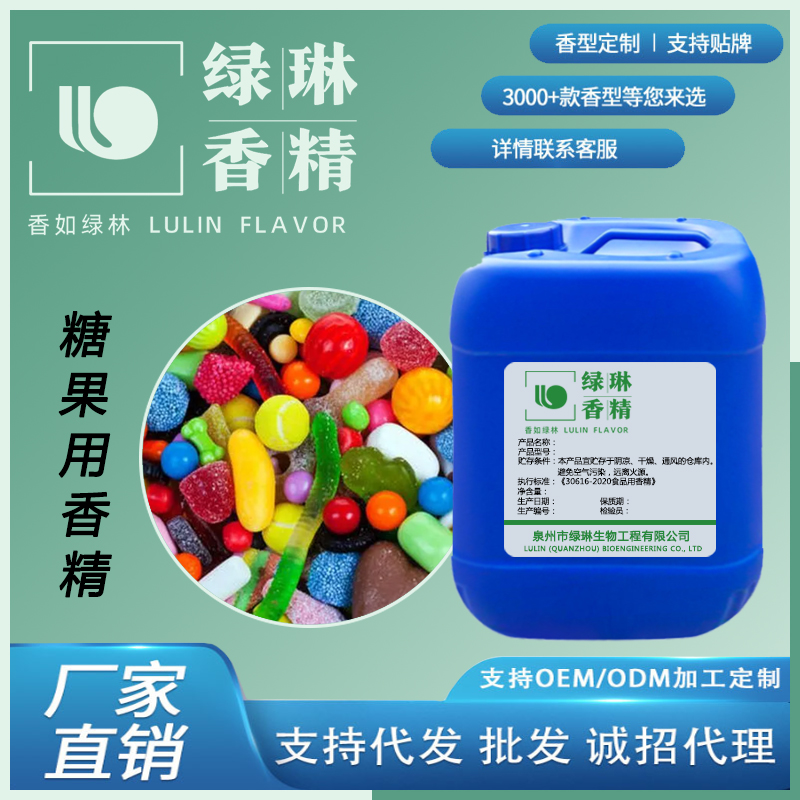 Gummy Flavors for Jelly Candy and Chewy ConfectioneryRequest gummy flavors for jelly candy and chewy confectionery. Share gel system, acid, sweetness, release goal, format, and document needs.Explore applicationChocolate Flavors for Confectionery, Coatings, And DrinksRequest chocolate flavors for candy, coatings, fillings, bakery, and drinks with cocoa profile, base system, process, and document needs.Explore applicationFruit Candy Flavors for Hard Candy, Gummies, And Chewy ProductsSource fruit candy flavors for hard candy, gummies, jelly, and chewy products with acid, sweetness, process, and sample details.Explore application
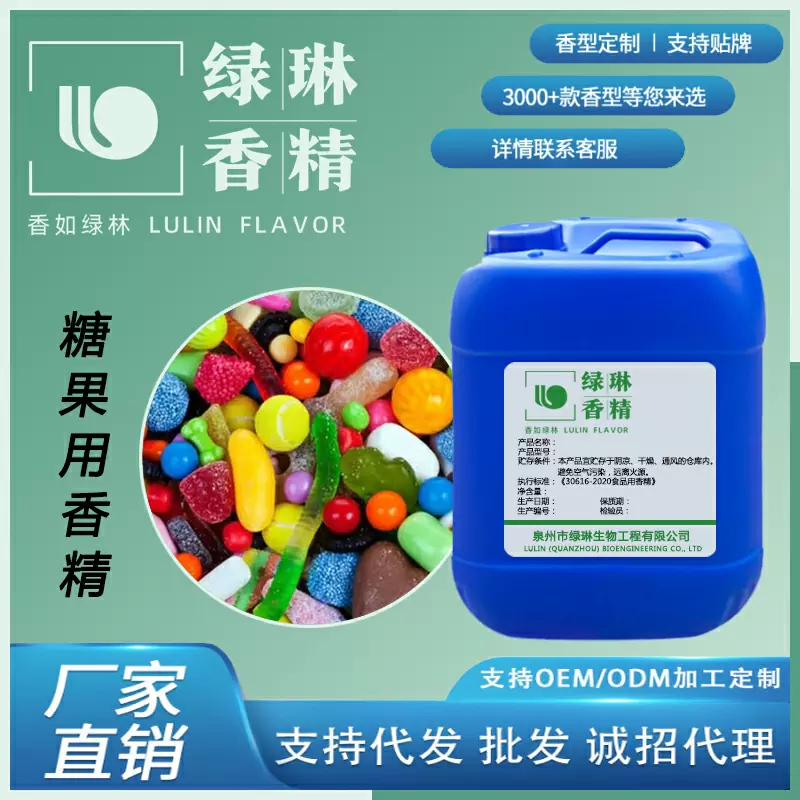 Sour Candy FlavoringRequest sour candy flavoring with application, profile target, food flavoring format, process notes, document needs, and sample details.Explore applicationNatural Candy FlavoringRequest natural candy flavoring with application, profile target, food flavoring format, process notes, document needs, and sample details.Explore applicationCotton Candy Flavoring for Confectionery and Sweet ProductsRequest cotton candy flavoring for candy, drinks, desserts, fillings, and sweet snacks. Share application, base, profile, and document needs.Explore applicationCinnamon Candy FlavoringRequest cinnamon candy flavoring with application, profile target, food flavoring format, process notes, document needs, and sample details.Explore application
Explore Confectionery Flavors for Candy and Sweet Products
Request confectionery flavors for candy, jelly, gummies, fillings, and coatings. Share sugar system, acid, process, market, and document needs.
Candy Flavoring Oils for Confectionery ApplicationsRequest candy flavoring oils for confectionery trials. Compare oil-based candy flavoring with general candy flavoring and send process details.Explore applicationCandy Flavoring for Confectionery ManufacturingRequest candy flavoring for hard candy, gummies, jelly, chewy candy, fillings, and coatings. Share base, process, profile, and document needs.Explore applicationHard Candy Flavors for Lollipops and Boiled SweetsRequest hard candy flavors for lollipops and boiled sweets. Share sugar system, process, acid, profile, format, and document needs.Explore application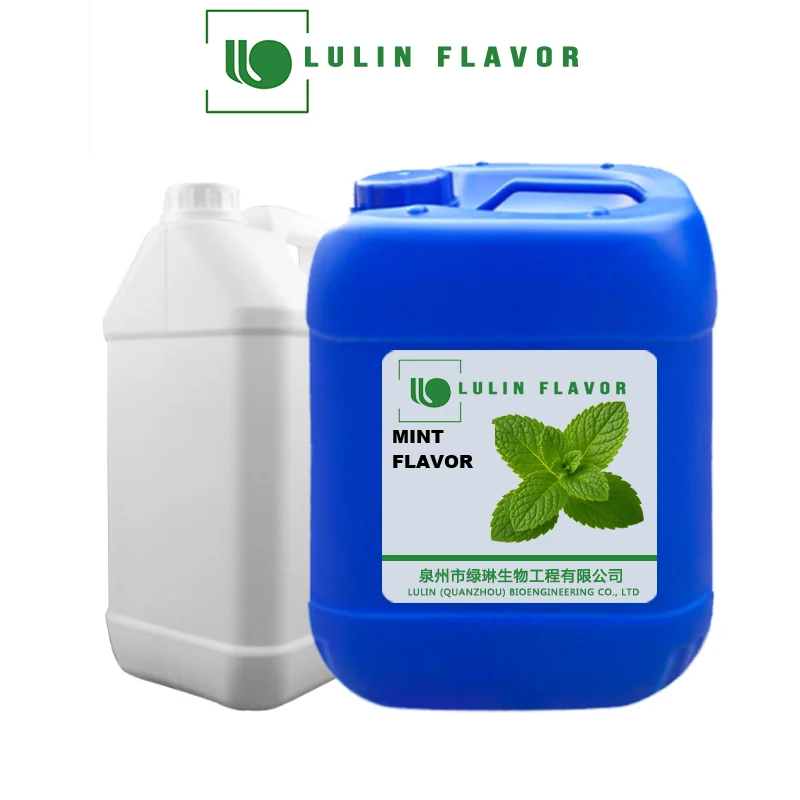 Mint Candy Flavoring for Confectionery DevelopmentRequest mint candy flavoring with candy type, mint profile, process, format preference, market, documents, and controlled sample test details.Explore applicationRock Candy FlavoringRequest rock candy flavoring with application, profile target, food flavoring format, process notes, document needs, and sample details.Explore applicationSweet Flavoring for Candy, Desserts, Bakery, And Dairy-Style ProductsRequest sweet flavoring profiles for candy, desserts, bakery, fillings, and dairy-style foods with base, process, and sample details.Explore applicationCandy Flavor PowderRequest candy flavor powder with application, profile target, food flavoring format, process notes, document needs, and sample details.Explore applicationChocolate Flavors for Confectionery, Coatings, And DrinksRequest chocolate flavors for candy, coatings, fillings, bakery, and drinks with cocoa profile, base system, process, and document needs.Explore applicationCinnamon Candy FlavoringRequest cinnamon candy flavoring with application, profile target, food flavoring format, process notes, document needs, and sample details.Explore applicationCotton Candy Flavoring for Confectionery and Sweet ProductsRequest cotton candy flavoring for candy, drinks, desserts, fillings, and sweet snacks. Share application, base, profile, and document needs.Explore applicationFruit Candy Flavors for Hard Candy, Gummies, And Chewy ProductsSource fruit candy flavors for hard candy, gummies, jelly, and chewy products with acid, sweetness, process, and sample details.Explore applicationGummy Flavors for Jelly Candy and Chewy ConfectioneryRequest gummy flavors for jelly candy and chewy confectionery. Share gel system, acid, sweetness, release goal, format, and document needs.Explore application
Read connected buyer guidance
confectionery flavors
Powder vs Liquid Food Flavors: Format Selection Guide
Compare flavor form, solubility, handling, and application fit.
Read nextconfectionery flavors
Natural vs Artificial Flavors
Review label wording and claim-sensitive flavor questions cautiously.
Read nextconfectionery flavors
Food Flavor Compliance Documents Request Guide
Check which document and market questions should be confirmed before ordering.
Read next
confectionery flavors
Custom Flavor Development for Food Product Projects
Move from a general flavor search into a project-specific development brief.
Read next