bakery flavors

Bakery Flavors for B2B Baked Goods Development

Request bakery flavors for cakes, biscuits, fillings, creams, and mixes. Share base, process, flavor target, market, and document needs for review.

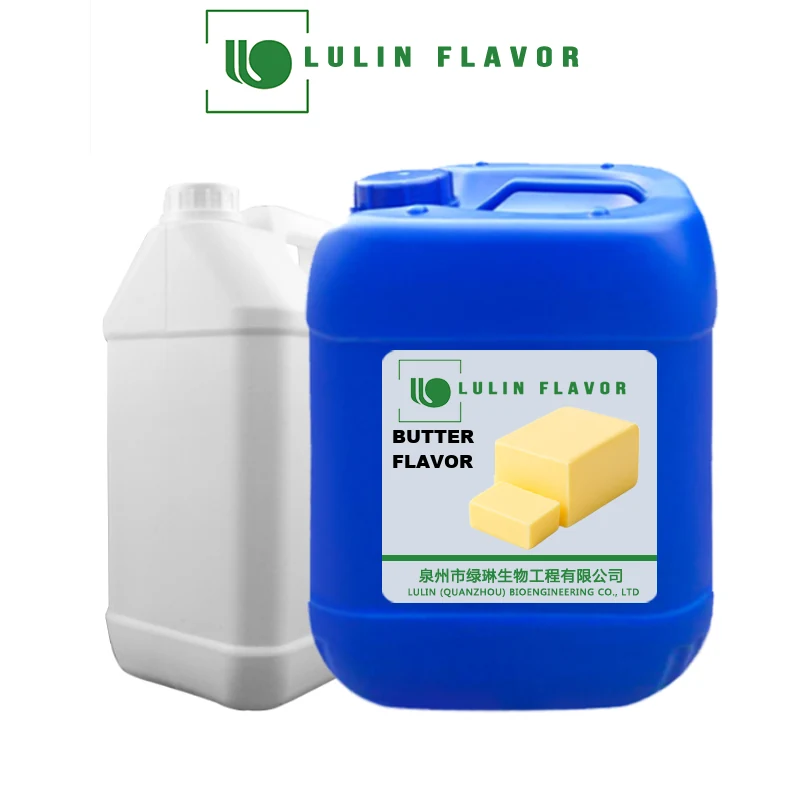
Bakery Flavors for B2B Baked Goods Development application visual
57answer words
8buyer FAQs
RFQsample path

Application visual for flavor selection, sample review, and buyer discussion.

Direct answer

What a buyer needs to know first

Bakery flavors should be reviewed in the actual baked good, filling, cream, or premix where they will be used. Buyers should provide the product base, heat process, fat or moisture conditions, target flavor profile, market, preferred format, and document needs. LULIN FLAVOR can discuss bakery flavoring samples, while exact use rates and commercial terms are Needs confirmation.

Buyer brief

Check fit before requesting a sample

Target buyerBakery manufacturers, snack brands, premix producers, filling makers, private label teams, importers, distributors, and R&D teams comparing food-grade bakery flavoring suppliers.
Search intentA food manufacturer or product developer is looking for bakery flavors and wants to understand how to request samples for baked goods, fillings, creams, or mixes.
Keyword themebakery flavors, bakery flavoring, food-grade bakery flavors.
Next stepRequest samplesShare application, format, market, quantity, and document needs.

Application guidance

Review the flavor in the real product system

Start With The Bakery Application, Not Only The Flavor Name

Bakery flavor requests often look simple at first: vanilla, milk, butter, chocolate, coconut, cheese, fruit, coffee, caramel, or nut. The real selection depends on where the flavor is used. A flavor for a baked cake batter is not reviewed the same way as a flavor for cream filling, biscuit, wafer, bread, pastry, or dry premix.

The buyer should describe the product structure before asking for a sample. Is the flavor exposed to baking heat, blended into a fat-rich filling, added after cooling, or used in a powder system? Is the finished product meant to smell warm and baked, taste creamy, add a fruit note, or support a richer dairy-style profile?

This page should help buyers send enough detail for the supplier to avoid a catalog-only response. A good sample conversation starts with the application and process, then narrows the flavor direction.

Process Details That Affect Bakery Flavor Performance

Bakery systems can change flavor expression through heat, fat, moisture, sugar, starch, and storage expectations. A specific heat stability range, shelf life, or use level is Needs confirmation. This page can, however, ask buyers to explain the baking, mixing, and cooling process so the supplier can review a practical sample direction.

For baked goods, the key question is where the flavor needs to be noticed. Some products need aroma after baking and cooling. Some need flavor release in a cream, coating, or filling. Some dry mixes need a flavor that disperses evenly before the consumer prepares the product. Each use case may lead to a different food flavoring format or flavor profile.

If the buyer has a benchmark, describe it in sensory terms: buttery, milky, toasted, creamy, sweet, fruity, roasted, cocoa-like, or slightly sour. Private reference samples can be discussed during supplier communication, but the public page should not imply exact matching without application testing and business confirmation.

Chocolate Bakery Flavor Notes

Chocolate bakery flavors need the same application-first brief as other bakery profiles. A buyer may want a cocoa-like, creamy, dark, sweet, roasted, cake-friendly, or filling-friendly chocolate note. The right direction can change between cake batter, biscuit dough, pastry, cream filling, wafer filling, dry mix, and baked topping.

For chocolate bakery requests, ask for the finished product, fat and sugar direction, baking or post-bake addition point, cocoa direction, and comparison method. Bake-off behavior, heat behavior, use level, available format, documents, MOQ, price, packaging, shelf life, storage, lead time, and sample policy are Needs confirmation and should be checked through application testing.

Bakery Sample Review With LULIN FLAVOR

LULIN FLAVOR can be introduced conservatively as the English brand of QUANZHOU LVLIN BIOENGINEERING CO., LTD., a food-grade flavor manufacturer and supplier based in Quanzhou, Fujian. Public information from the current company site includes bakery flavors as a visible food category and describes an application laboratory that can help refine, adjust, and create formulas.

The page should frame that support as review and discussion, not as a promise. Buyers can send the bakery base, process conditions, target profile, and market requirements. LULIN FLAVOR can then review whether an existing bakery flavor direction, adjusted sample, or custom development discussion is appropriate.

The best inquiry is specific enough to test. If the buyer can share the base formula type, heating step, fat content direction, and evaluation method, the first sample round is more likely to answer the buyer's real question.

Bakery Flavor Review For Heat, Fat, And Dough Systems

Bakery flavor selection should start with the baked product, not only the flavor name. Cake, cookie, biscuit, bread, pastry, cream filling, buttercream, and premix systems expose flavors to different levels of heat, fat, moisture, fermentation, and storage. Vanilla, butter, cream, caramel, cinnamon, fruit, chocolate, and nut profiles may behave differently after baking and cooling.

A bakery buyer should share:

  • Product type and where the flavor is added: dough, batter, filling, cream, topping, or premix.
  • Baking temperature, time, and whether flavor loss after heat is a known issue.
  • Fat content, sugar level, cocoa, dairy, egg, or leavening impact.
  • Target profile after cooling, not only before baking.
  • Format preference, storage conditions, packaging, and required documents.

This makes the sample request more useful and reduces mismatch between bench aroma and finished bakery taste.

Bakery Feedback After Trial Baking

The best bakery feedback describes the finished product after cooling and, if relevant, after one or several days of storage. Buyers can note whether the flavor is too weak, too sharp, too artificial, too buttery, too toasted, or hidden by cocoa, fat, spice, or sweetness. If the product uses filling or cream, evaluate the flavor both alone and inside the finished item.

For industrial bakery projects, also mention whether the sample will be used in a dry premix, frozen dough, baked shelf-stable product, or fresh bakery line. Each route can change format and stability review.

Bakery Flavor Testing Should Follow The Real Bake Process

Bakery flavors should be checked after mixing, baking, cooling, packaging, and shelf-life storage because heat and moisture can shift the profile. A butter, vanilla, fruit, chocolate, cinnamon, cream, or nut flavor may smell correct before baking but become weak, cooked, bitter, or too sharp after the finished product cools.

Buyers should send the dough or batter type, baking temperature, bake time, fat level, moisture, filling or coating system, target shelf life, and whether the flavor is used in the base, filling, cream, glaze, or topping. If the product is sold through distributors, the supplier also needs to know whether one flavor profile must work across several bakery items.

Sample review

Send the details that make a flavor quote useful

Food flavors change with sweetness, acid, fat, process, storage, format, and market requirements. A practical brief helps the supplier choose a better sample path.

Food flavor sample review process visual

RFQ checklist

Information to prepare before requesting samples

Include these details when asking for bakery flavor samples:

  • Bakery application: cake, biscuit, cookie, wafer, bread, pastry, cream filling, coating, dry premix, or another food product.
  • Where the flavor is used: batter, dough, filling, cream, coating, topping, powder blend, or post-bake addition.
  • Process notes: baking, mixing, cooling, fat phase, moisture level, powder blending, or other conditions that may affect flavor expression.
  • Target flavor profile: vanilla, milk, butter, cheese, chocolate, coffee, caramel, coconut, fruit, nut, toasted, creamy, or another sensory direction.
  • Chocolate bakery requests: cocoa-like, creamy, dark, sweet, roasted, cake-friendly, or filling-friendly direction; cake, biscuit, pastry, cream, filling, topping, or mix application; and the bake-off or post-bake test method. Heat behavior is confirmed through sample testing.
  • Desired result: stronger baked aroma, cleaner aftertaste, richer dairy note, better fruit character, profile replacement, or new product development.
  • Preferred food flavoring format if known. Exact available formats are Needs confirmation.
  • Destination market and document requests. All document availability is Needs confirmation.
  • Test plan: sample base, baking trial method, comparison standard, internal decision team, and feedback schedule.
  • Commercial assumptions: expected purchasing range, launch stage, and forecast if available. MOQ, price, packaging, shelf life, storage, sample policy, export markets, and lead time are Needs confirmation.

Buyer FAQ

Common questions before sample selection

What details should I send for bakery flavor samples?

Send the bakery application, where the flavor is added, process conditions, target profile, preferred format if known, market, document requests, and testing method. The supplier needs the real product context to review a useful sample.

Can one bakery flavor work in both baked goods and fillings?

It may need separate testing. Heat exposure, fat content, moisture, and addition point can change the profile. Buyers should evaluate the flavor in each intended application before approval.

Are bakery flavors available as powder or liquid?

The best format depends on the formula and process. Buyers can request powder or liquid direction, but exact format availability for each flavor profile is Needs confirmation.

Can this page publish a recommended use rate for bakery flavors?

Exact use rates are Needs confirmation. Use level depends on the base, process, target intensity, and compliance review. Application testing should guide the final decision.

What documents should bakery manufacturers request?

Buyers should list the documents required by their customer, importer, or internal compliance team. Availability and exact wording for any technical, safety, allergen, natural, certificate, or market-specific document are Needs confirmation.

What should buyers send for chocolate bakery flavors?

Send the bakery application, cocoa direction, fat and sugar system, addition point, bake-off or post-bake testing method, preferred format if known, destination market, quantity stage, sample purpose, and document needs. Availability, use level, heat behavior, documents, MOQ, price, packaging, shelf life, storage, sample policy, and lead time are Needs confirmation.

What details matter most for bakery flavor samples?

Tell the supplier the bakery product, addition point, baking conditions, fat and sugar system, target taste after cooling, storage plan, format preference, sample purpose, and documents needed. Heat performance and dosage should be confirmed through trial baking.

Why do bakery flavors need finished-product testing?

Heat, fat, moisture, filling, coating, and storage can change the flavor after baking. Buyers should test in the final bakery product and send process details before asking for use level, format, shelf life, or document confirmation.

Topic cluster

Explore related flavor topics

Inquiry path

Move from page research to sample discussion

Request samples
Project details and business terms are confirmed before public use. Commercial terms, document availability, regulatory wording, images, and claims are confirmed by project.