beverage flavors
Beverage Flavors for Drinks and Product Development
Source beverage flavors for drinks, powdered mixes, and carbonated products. Send base, process, target profile, market, and document needs for sample review.
Direct answer
What a buyer needs to know first
Beverage flavors should be selected around the finished drink base, not only the flavor name. Buyers should share the product type, sweetness, acidity, carbonation or heat process, target profile, market, preferred format, and document list. LULIN FLAVOR can then discuss relevant samples, trial guidance, applicable documents, packaging, pricing, minimum order, and timing.
In the Spotlight
 Fruit Beverage Flavors for B2B Drink DevelopmentSource fruit beverage flavors for juice drinks, powdered mixes, and RTD beverages. Share base, process, profile, market, and document needs.Explore application
 Juice Flavors for Juice Drinks and Fruit BasesSource juice flavors for fruit drinks, nectar-style products, and juice bases. Prepare base, process, target profile, and document needs before samples.Explore application
 Tea and Coffee Flavors for Beverage DevelopmentRequest tea and coffee flavors for RTD drinks, milk tea, coffee beverages, and powders. Share base, process, profile, market, and documents.Explore applicationCarbonated Drink Flavors for B2B Beverage ProjectsRequest carbonated drink flavors for soda, sparkling water, and fizzy beverages. Share base, carbonation, acidity, profile, and document needs.Explore application
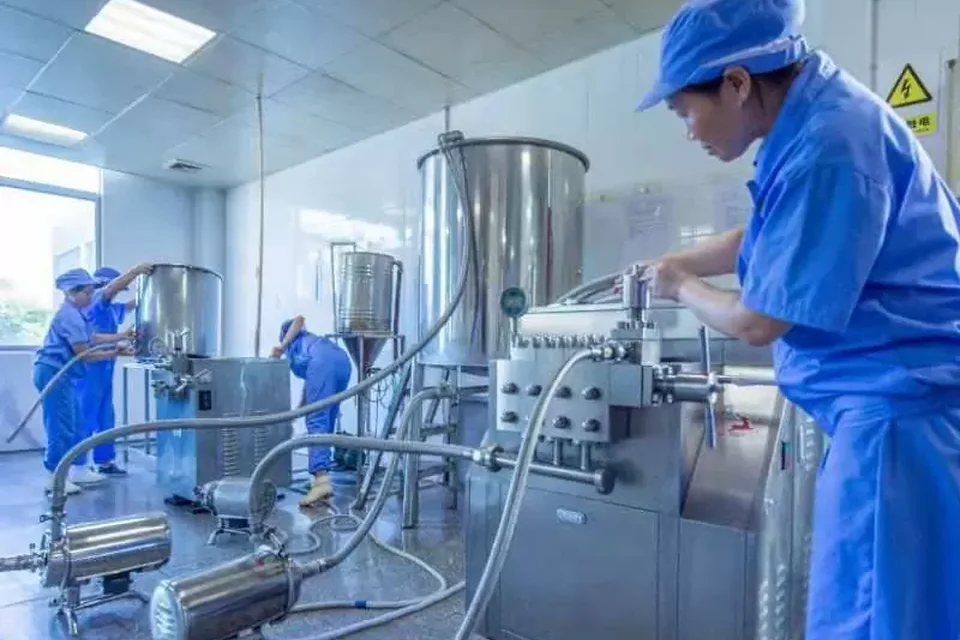 Flavored Water Flavors for Light Beverage DevelopmentRequest flavored water flavors for light beverage projects. Share water base, sweetness, acidity, profile, market, and document needs for review.Explore applicationMango Beverage FlavoringRequest mango beverage flavoring with application, profile target, food flavoring format, process notes, document needs, and sample details.Explore application
 Strawberry Beverage FlavoringRequest strawberry beverage flavoring with application, profile target, food flavoring format, process notes, document needs, and sample details.Explore application
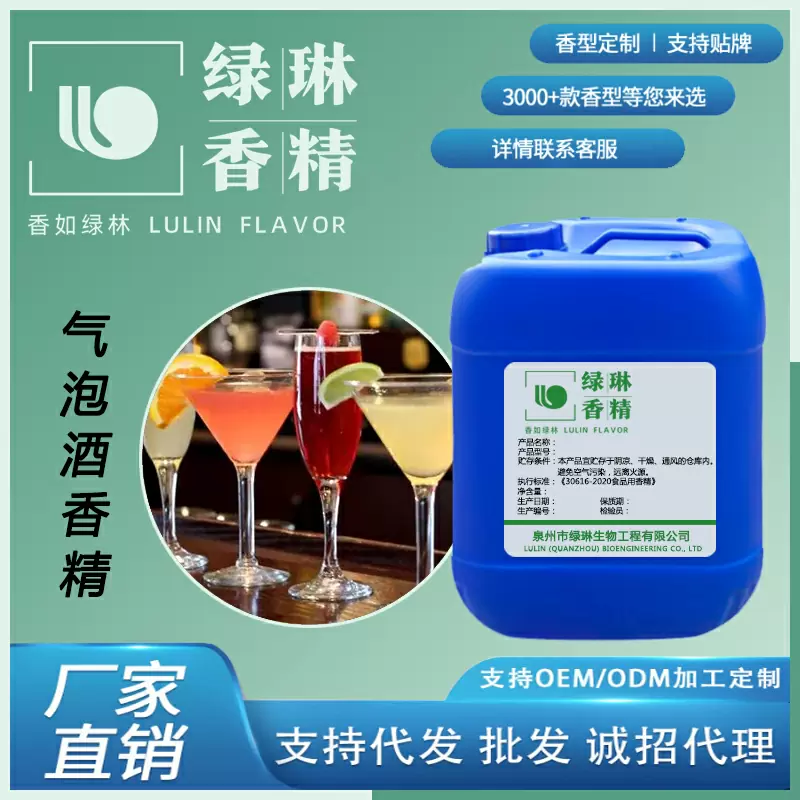
 Alcoholic Beverage Flavors for Beer, Cocktails, and Sparkling DrinksReview alcoholic beverage flavors for beer, cocktails, hard seltzer, and sparkling drinks. Send base, alcohol level, process, and document needs.Explore application
Explore Beverage Flavors for Drinks and Product Development
Source beverage flavors for drinks, powdered mixes, and carbonated products. Send base, process, target profile, market, and document needs for sample review.
 Apple Beverage FlavoringRequest apple beverage flavoring with application, profile target, food flavoring format, process notes, document needs, and sample details.Explore application
 Banana Beverage FlavoringRequest banana beverage flavoring with application, profile target, food flavoring format, process notes, document needs, and sample details.Explore application
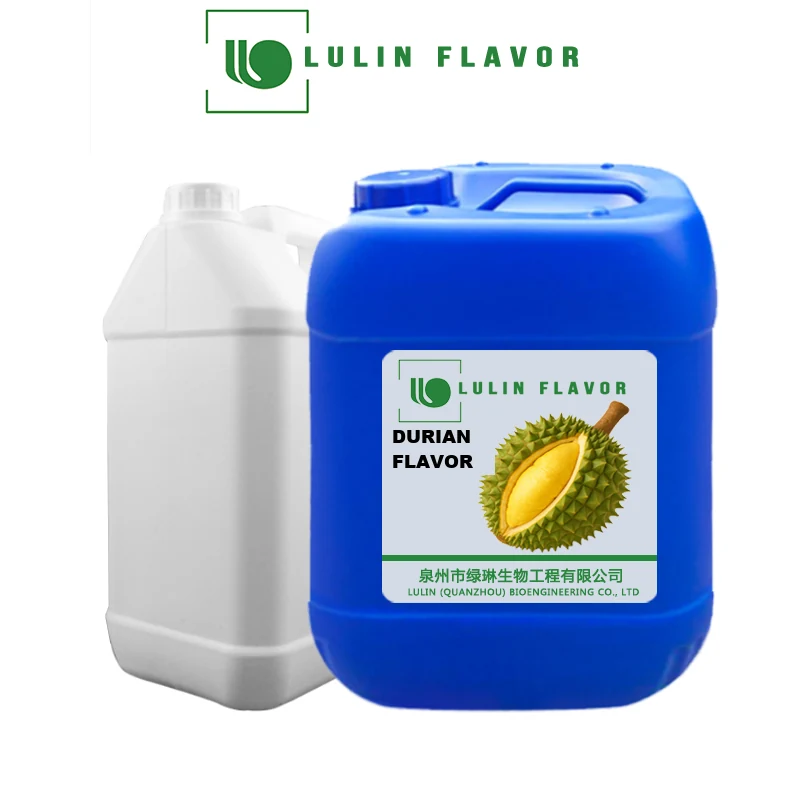 Durian Beverage Flavoring for Drink DevelopmentRequest durian beverage flavoring with drink base, target profile, process, format preference, market, document needs, and sample test details.Explore application
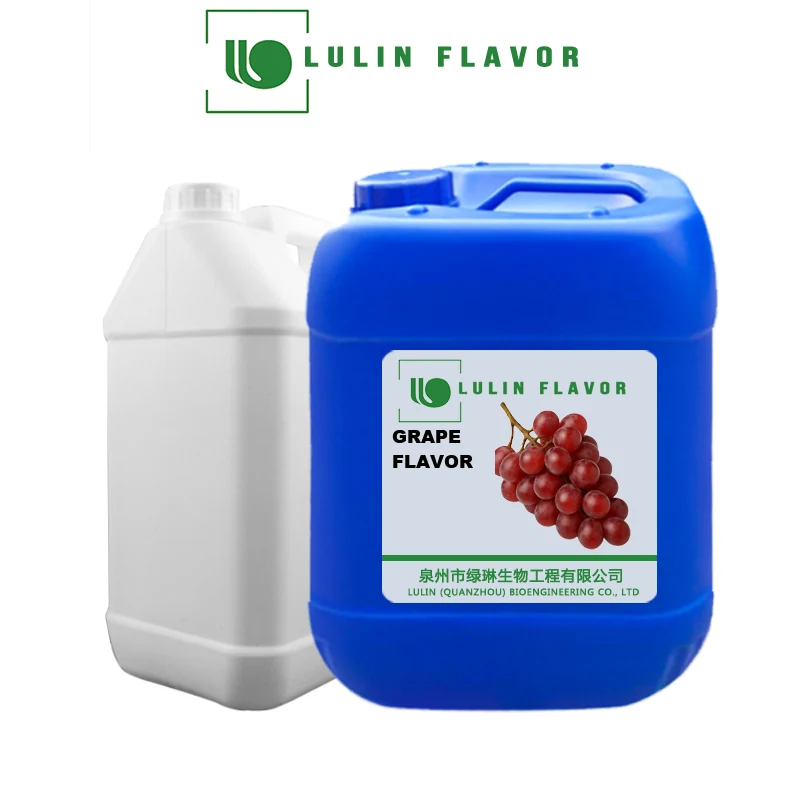 Grape Beverage FlavoringRequest grape beverage flavoring with application, profile target, food flavoring format, process notes, document needs, and sample details.Explore application
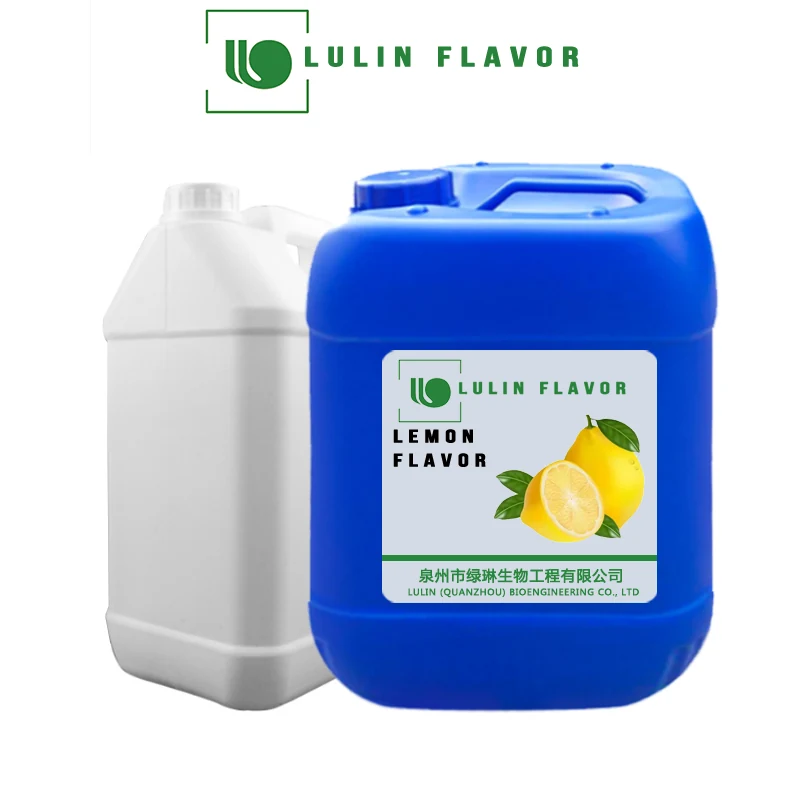 Lemon Lime Beverage FlavoringRequest lemon lime beverage flavoring with application, profile target, food flavoring format, process notes, document needs, and sample details.Explore application
 Orange Beverage FlavoringRequest orange beverage flavoring with application, profile target, food flavoring format, process notes, document needs, and sample details.Explore applicationPeach Beverage FlavoringRequest peach beverage flavoring with application, profile target, food flavoring format, process notes, document needs, and sample details.Explore application
 Pineapple Beverage FlavoringRequest pineapple beverage flavoring with application, profile target, food flavoring format, process notes, document needs, and sample details.Explore applicationSyrup Flavors for Beverage Syrups and Flavored SyrupsSource syrup flavors for flavored syrups and beverage syrup bases. Share dilution, sweetness, acidity, process, and document needs for sample review.Explore applicationWatermelon Beverage FlavoringRequest watermelon beverage flavoring with application, profile target, food flavoring format, process notes, document needs, and sample details.Explore applicationAlcoholic Beverage Flavors for Beer, Cocktails, and Sparkling DrinksReview alcoholic beverage flavors for beer, cocktails, hard seltzer, and sparkling drinks. Send base, alcohol level, process, and document needs.Explore applicationCarbonated Drink Flavors for B2B Beverage ProjectsRequest carbonated drink flavors for soda, sparkling water, and fizzy beverages. Share base, carbonation, acidity, profile, and document needs.Explore application
Read connected buyer guidance
beverage flavors
Powder vs Liquid Food Flavors: Format Selection Guide
Compare flavor form, solubility, handling, and application fit.
Read nextbeverage flavors
Natural vs Artificial Flavors
Review label wording and claim-sensitive flavor questions cautiously.
Read nextbeverage flavors
Food Flavor Compliance Documents Request Guide
Check which document and market questions should be confirmed before ordering.
Read nextbeverage flavors
Custom Flavor Development for Food Product Projects
Move from a general flavor search into a project-specific development brief.
Read next