Application fit
alcoholic beverage flavors
Alcoholic Beverage Flavors for Beer, Cocktails, and Sparkling Drinks
Start with the product, target market, and project goal. Technical details are optional at first contact.
Direct answer
Alcoholic beverage flavors should be reviewed in the real drink base because ABV, carbonation, acidity, sweetness, bitterness, and processing change aroma release. Buyers should share the drink type, flavor target, process, market, and document list, then ask the supplier to confirm sample compatibility, trial guidance, stability, applicable documents, packaging, pricing, minimum order, and timing.
Application checkpoints
Process fit
Alcohol, Carbonation, And Acidity Questions
Review the detailed guidanceSensory fit
Sample Review With LULIN FLAVOR
Review the detailed guidanceApplication routes
Define The Drink System Before Choosing A Flavor
Alcoholic beverage flavor requests can cover very different products. A beer flavor concentrate inquiry may involve malt bitterness, hop notes, fruit top notes, or a non-alcoholic beer project. A cocktail flavor request may need citrus, tropical fruit, botanical, cola, tea, coffee, cream-style, or spirit-style character. A sparkling wine-style or hard seltzer project may need a lighter profile that stays clean after carbonation.
The buyer should explain the finished drink before asking for samples. Is the product beer, flavored malt beverage, hard seltzer, cocktail base, RTD alcoholic drink, sparkling wine-style beverage, syrup for bar use, or a no/low alcohol drink? Is the flavor meant to lead the profile, mask a base note, add aroma, or help a seasonal product line?
Sample suitability should be established in the buyer's actual alcohol system or a representative lab base under agreed test conditions.
Alcohol, Carbonation, And Acidity Questions
Alcohol can change how a flavor opens, how long it lingers, and how sharp or rounded the drink feels. Carbonation can lift top notes but also make harsh notes more visible. Acidity, sweetener system, bitterness, tannin, color, and heat treatment can all affect the final result.
Buyers should give practical details: ABV target if relevant, carbonation level, pH direction, sweetness system, base alcohol or fermentation note, pasteurization or hot-fill process, and whether the drink will be clear, cloudy, colored, or opaque. Review alcohol compatibility, clarity, solubility, stability, and dosage for each candidate in that system.
For alcoholic RTD projects, separate the first sensory screen from a pilot confirmation. A sample that smells right in water may feel thinner, sharper, or heavier at the target ABV, and carbonation can make citrus, botanical, tea, cola, or spirit-style notes read differently after chilling. Compare the same direction in the lab base, in the sweetened and acidified base, and after carbonation or heat treatment. Agree the dosage and evaluate alcohol, acid, carbonation, heat, foam, and hold-time behavior before approval.
Beer and malt-based requests need even more base context. Malt sweetness, hop bitterness, fermentation notes, haze, and dealcoholized beer character can all compete with the flavor direction. Buyers should say whether the goal is a light aroma top note, a fruit-forward seasonal profile, bitterness masking, or a more rounded cocktail-style character. Test the selected sample in the specific beer, malt, wine-style, or low/no alcohol base.
Market review is also important. Alcohol products can face category-specific labeling, import, and customer document requirements. Send the exact FDA, EU, Halal, Kosher, COA, SDS/MSDS, TDS, or other document requests and confirm what applies to the selected item.
Sample Review With LULIN FLAVOR
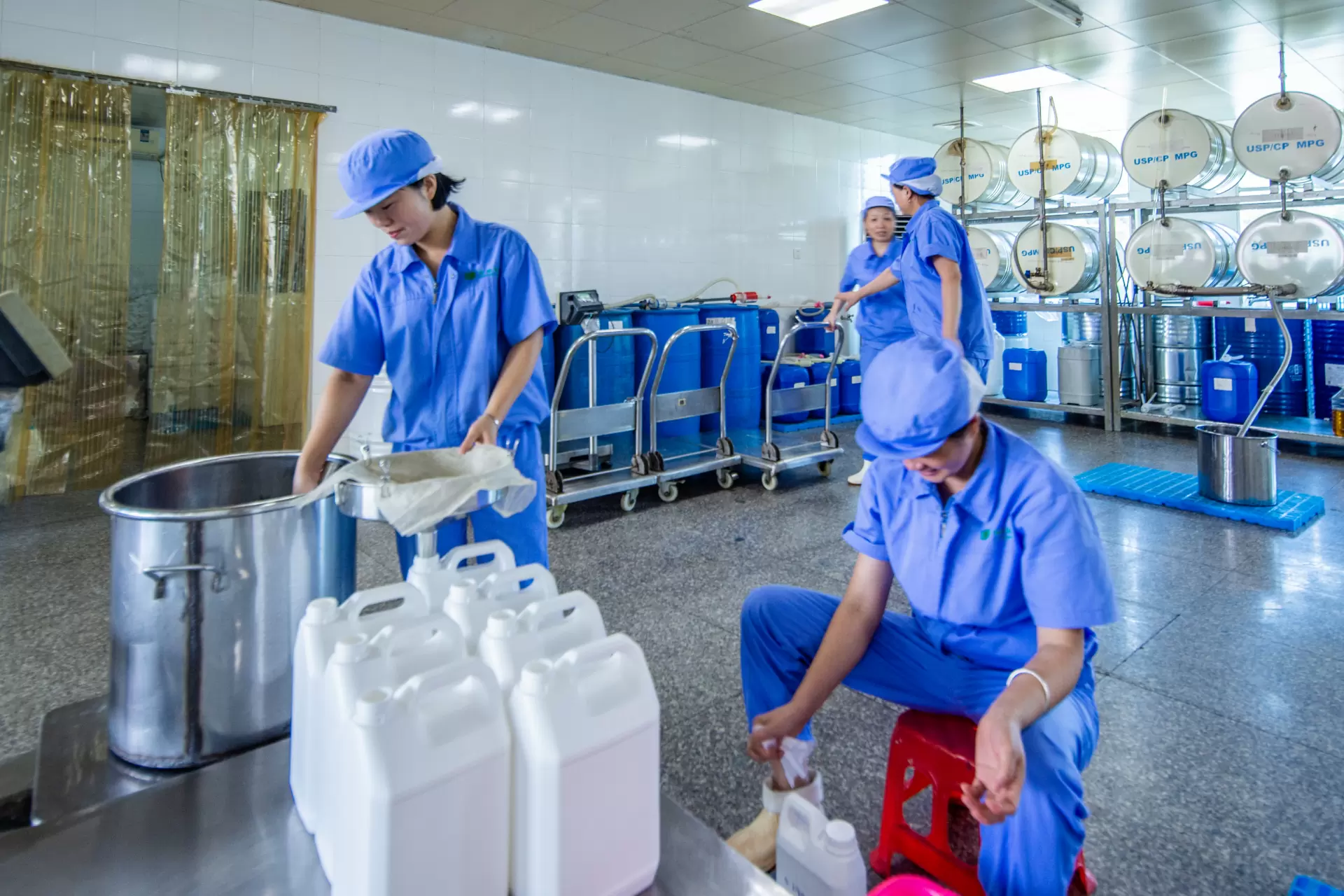
Sparkling wine and carbonated alcoholic beverage projects need a specific drink brief. Buyers should send the base, target ABV, carbonation, process, sensory direction, destination market, and document needs. Exact profile availability, format options, alcohol-system support, sample terms, and commercial scope are confirmed during inquiry.
The best inquiry is a drink brief rather than a flavor name. Send the base, ABV target, process, sensory direction, market, and sample evaluation method. LULIN FLAVOR can then explain whether an existing flavor direction, an adjusted sample, or a development discussion is the appropriate starting point for that project.
Project challenges
Alcoholic Beverage Flavors Need ABV And Carbonation Context
Alcoholic beverage flavors should be reviewed with alcohol level, base spirit or fermented base, sweetness, acidity, carbonation, heat process, and serving format. A flavor for hard seltzer may need a cleaner profile than one for cocktail syrup, beer, RTD cocktail, liqueur, or flavored wine.
The buyer should also clarify whether the product uses real juice, botanical extracts, sweeteners, or functional ingredients. Alcohol can change aroma lift and aftertaste, while carbonation can make top notes sharper. Include proposed label wording, destination-market rules, and the customer document checklist in the review.
Alcoholic Beverage Flavor Projects Need ABV And Base Notes Early
Alcoholic beverage flavors should be briefed with ABV, base alcohol type, sweetness, acidity, carbonation, color, and serving condition. A flavor for hard seltzer, cocktail, flavored beer, RTD drink, liqueur-style product, or low-alcohol beverage may need different review.
Alcohol can change aroma lift and aftertaste. It can also make some profiles feel sharper or thinner. Buyers should send the target profile, destination market, base notes, processing route, and document checklist before sample approval. Confirm compatibility, use level, stability, and claim wording for the exact candidate.
RFQ checklist
Optional details for follow-up sample planning
These details are optional for first contact. Share them later when they are available.
- Drink type: beer, non-alcoholic beer, cocktail, hard seltzer, flavored malt beverage, sparkling wine-style drink, syrup, or RTD beverage.
- Base notes: ABV target, sweetness, acidity, bitterness, carbonation, color, clarity, tea or fruit solids, and alcohol base if shareable.
- Process: blending, filtration, carbonation, heat treatment, pasteurization, hot fill, cold fill, or syrup dilution.
- Target flavor: citrus, berry, tropical, grape, cola, tea, coffee, botanical, cream-style, spirit-style, or private benchmark.
- Format preference: liquid, powder, concentrate, emulsion, or open to review; ask which formats are offered for the selected drink profile.
- Destination market and document list: confirm item-level availability for COA, SDS/MSDS, TDS, natural declaration, Halal, Kosher, FDA, EU, ISO, HACCP, FSSC, or other customer requirements.
- Testing plan: lab base, pilot batch, carbonation test, sensory panel, comparison sample, and revision feedback.
- Commercial details: provide the forecast and order stage, then request current packaging, sample terms, MOQ, price, lead time, shelf life, storage, and shipping information.
Buyer FAQ
Common questions before sample selection
What should I send for alcoholic beverage flavor samples?
Send the drink type, ABV target if relevant, base notes, carbonation, sweetness, acidity, target profile, process, destination market, and document needs.
Can the same flavor work in alcoholic and non-alcoholic drinks?
It needs testing. Alcohol content, sweetness, carbonation, and base bitterness can change the flavor balance, so approve the flavor separately in each intended drink base.
Are alcoholic beverage flavors available as concentrates?
They may be requested as concentrates. Ask the supplier which profiles are offered in concentrated formats and review strength, carrier, solubility, and application fit for the selected item.
Can alcohol stability be assumed by category?
No. Alcohol compatibility, clarity, dosage, and stability must be confirmed for the specific product and drink base.
What documents should alcohol beverage buyers request?
List the importer, customer, and market document requirements. The supplier should respond with the documents and item-specific wording available for the exact flavor code.
What should I send for alcoholic beverage flavors?
Send the beverage type, ABV, base alcohol, sweetness, acidity, carbonation, process, target profile, format preference, serving style, destination market, and document needs. Test in the final beverage base.
What details matter for alcoholic beverage flavors?
Send drink type, ABV, base alcohol, sweetness, acidity, carbonation, color, serving condition, target profile, market, format preference, and document checklist.
Topic cluster
Explore related flavor topics
Beverage Flavors for Drinks and Product DevelopmentCompare flavor behavior in beverage and water-based applications.Powder vs Liquid Food Flavors: Format Selection GuideCompare flavor form, solubility, handling, and application fit.Natural vs Artificial FlavorsReview label wording and claim-sensitive flavor questions cautiously.Food Flavor Compliance Documents Request GuideCheck which document and market questions should be confirmed before ordering.Custom Flavor Development for Food Product ProjectsMove from a general flavor search into a project-specific development brief.Sample requestStart with the product, target market, and project goal. Add technical details later if available.
Inquiry path
Move from page research to sample discussion
Start with your name, email, product or flavor, country, and project details. Add technical information only if it is already available.