Application fit
sour candy flavoring
Sour Candy Flavoring
Start with the product, target market, and project goal. Technical details are optional at first contact.
Direct answer
Sour Candy Flavoring should be sourced against the candy type, acid system, sour timing, fruit profile, process, preferred format, market, and document list. Sample testing can then separate acid impact from fruit identity and aftertaste in gummies, hard candy, chews, fillings, or coated products. Availability, trial level, process fit, documents, MOQ, price, packaging, and lead time are discussed for the selected candy.
Application checkpoints
Process fit
Where This Flavor May Need Separate Testing
Review the detailed guidanceSensory fit
Acid System And Sour Impact Review
Review the detailed guidanceApplication routes
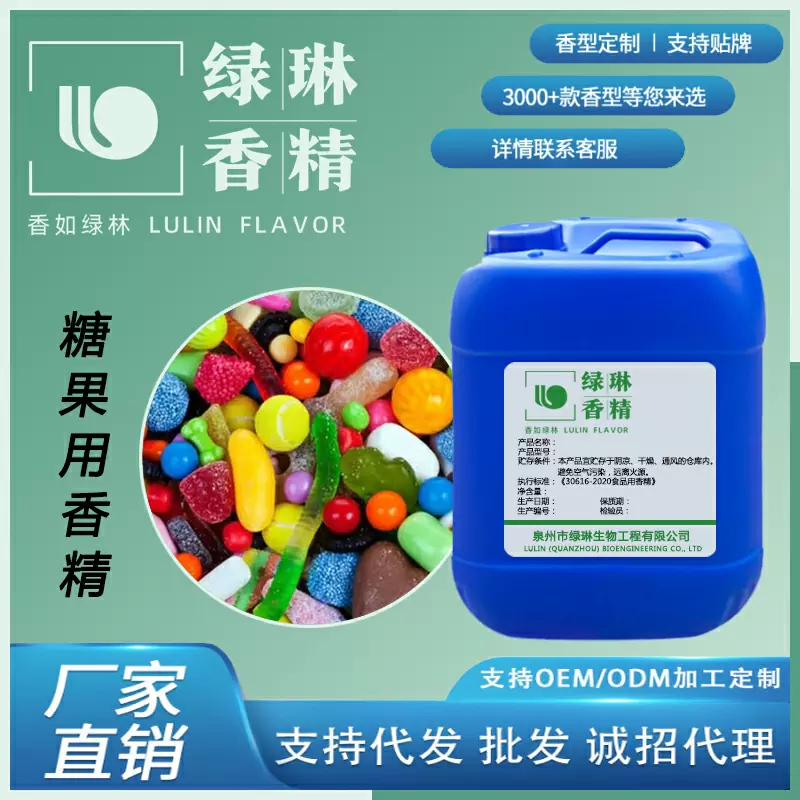
Define The Profile Before Asking For A Sample
Sour Candy Flavoring can point to several sensory directions. In B2B work, the buyer should say whether the target is fruit-acid, sour belt, sour gummy, or sharp candy profiles. A flavor name alone is not enough, because the same word can mean a candy top note, a creamy dessert note, a baked note, a beverage note, or a savory support direction.
The finished application should guide the sample request. Candy, bakery, beverage, dairy-style dessert, syrup, powder mix, filling, and seasoning systems do not release flavor in the same way.

Where This Flavor May Need Separate Testing
A supplier should review sour candy flavoring against the real product base. Sweetness, acidity, fat, heat, water phase, dry blending, color, and competing flavors can all change the result. If the buyer is replacing a current flavor, the brief should explain what is wrong with the current profile.
Send the candy type, acid system, sour timing, and desired fruit style so LULIN FLAVOR can review a suitable sample direction without assuming a standard sour profile.

Acid System And Sour Impact Review
Sour candy flavoring should not be reviewed as "stronger fruit flavor" only. The acid system controls how fast the sourness arrives, how long it lasts, and whether the fruit note feels juicy, sharp, metallic, or thin. A sour belt coating, gummy base, hard candy center, powder candy, or filled candy may need different testing because the acid can sit on the surface, dissolve slowly, or interact with the cooked sugar or gel system.
Ask the buyer to describe the acid blend if known, such as citric, malic, lactic, tartaric, fumaric, or a coated acid system. Also note whether acid is added before cooking, after cooling, in a slurry, in a dusting blend, or as an external coating. Use the actual process to record acid interaction, heat exposure, solubility, carrier fit, color shift, and trial level. If the target is extra sour, the supplier still needs to know whether the buyer wants a fast front sourness, longer mouthwatering acidity, or a balanced fruit finish.
Benchmark matching works best when sour impact and flavor character are scored separately. A market sample may be close on sourness but wrong on fruit, or close on fruit but weak after coating. The RFQ should say which problem matters most before sample adjustment.
Project challenges
Sour Candy Flavoring Needs Acid And Flavor Release Control
Sour candy flavoring should be selected with the acid system in mind. Citric, malic, tartaric, lactic, or blended acids can change fruit perception and aftertaste. A flavor that works in a sweet gummy may become harsh or bitter when paired with sour coating.
The buyer should share candy type, acid type, coating or internal acid, sugar or polyol system, process heat, target sour level, and desired fruit style. Evaluate the eating sequence: first sour impact, fruit body, sweetness recovery, aftertaste, and length of release.
Sour Candy Flavoring Should Be Tested Through The Full Eating Curve
Sour candy flavoring should be evaluated from first acid hit to final aftertaste. The flavor may need to survive a sharp sour coating, internal acid, sugar or polyol base, heat process, and storage. A profile that tastes bright at first can become bitter, thin, or medicinal later.
Buyers should record the eating curve: sour impact, fruit identity, sweetness recovery, body, bitterness, and finish. If the candy is gummy, hard candy, chewy candy, or powder-coated candy, say so because flavor release and acid contact are different. Adjust the trial level from results in the real candy process.
RFQ checklist
Optional details for follow-up sample planning
These details are optional for first contact. Share them later when they are available.
Send these details when requesting sour candy flavoring samples or quotation review:
- Finished application: hard candy, gummy, chewy candy, lollipop, coating, filling, syrup, powder candy, or another confectionery system.
- Target profile: fruit-acid, sour belt, sour gummy, or sharp candy profiles.
- Base formula notes: sweetness, acidity, fat phase, water phase, color, heat step, dry blending, carbonation, dairy-style ingredients, plant base, or competing flavor notes as relevant.
- Preferred food flavoring format: liquid, powder, concentrate, emulsion, oil-compatible, water-soluble, or open to supplier review based on the candy and acid system.
- Testing plan: lab sample, benchmark match, pilot trial, distributor range review, reformulation, or new product development.
- Document needs: identify the COA, SDS/MSDS, TDS, allergen statement, Halal, Kosher, FDA, EU, ISO, HACCP, FSSC, organic, vegan, non-GMO, or other declarations required for the destination market and confirm availability for the selected flavor.
- Commercial details: add the expected quantity and purchasing stage so MOQ, price, packaging, shelf life, storage, lead time, sample policy, export workflow, and payment terms can be reviewed in context.
Buyer FAQ
Common questions before sample selection
What information should I send for sour candy flavoring?
Send the candy type, target profile, acid system, process, preferred format, market, document needs, sample purpose, and any benchmark notes. Include the expected order stage to receive relevant MOQ, price, packaging, shelf life, storage, lead time, sample policy, export workflow, and payment information.
Can one sample work across multiple applications?
It may need separate testing. Beverage, candy, bakery, dairy-style, syrup, and powder systems can change flavor release and balance.
Can you confirm use level on this page?
No. Use level depends on the candy formula, acid system, processing, target intensity, and market review. Request trial guidance for the specific candy and verify it through application testing.
Which documents should be requested?
Build the document list around the sour candy item and destination market. Request any required COA, SDS/MSDS, TDS, allergen statement, Halal, Kosher, FDA, EU, ISO, HACCP, FSSC, organic, vegan, non-GMO, or other declaration, then confirm which files and wording apply to the exact flavor format tested with the acid and coating system.
Should sour impact be tested separately from the flavor profile?
Yes. Score sour intensity, sour timing, fruit character, aftertaste, and coating performance as separate notes during sample review. That prevents a strong acid system from hiding a weak fruit profile, or a good fruit profile from being rejected because the sour system still needs adjustment. Use the results to revise the acid balance and flavor trial level separately.
What should be confirmed before sourcing sour candy flavoring?
Confirm candy type, acid system, sour timing, fruit profile, coating or filling process, format, documents, sample terms, MOQ, price, packaging, and lead time. Evaluate acid interaction, storage change, and trial level in the actual candy.
What details matter for sour candy flavoring?
Send the candy type, acid system, sour level, coating or internal acid details, sugar or polyol base, process heat, target fruit profile, format, market, and documents needed. Test the complete candy system.
How should sour candy flavoring be evaluated?
Evaluate sour impact, fruit identity, sweetness recovery, body, bitterness, release length, and aftertaste in the finished candy. Send acid system, candy type, heat process, coating, market, and documents.
Topic cluster
Explore related flavor topics
Confectionery Flavors for Candy and Sweet ProductsCompare flavor behavior in candy, gummy, and sweet applications.Powder vs Liquid Food Flavors: Format Selection GuideCompare flavor form, solubility, handling, and application fit.Natural vs Artificial FlavorsReview label wording and claim-sensitive flavor questions cautiously.Food Flavor Compliance Documents Request GuideCheck which document and market questions should be confirmed before ordering.Custom Flavor Development for Food Product ProjectsMove from a general flavor search into a project-specific development brief.Sample requestStart with the product, target market, and project goal. Add technical details later if available.
Inquiry path
Move from page research to sample discussion
Start with your name, email, product or flavor, country, and project details. Add technical information only if it is already available.