Application fit
soft serve ice cream flavoring
Soft Serve Ice Cream Flavoring
Start with the product, target market, and project goal. Technical details are optional at first contact.
Direct answer
Soft Serve Ice Cream Flavoring should be evaluated in the real frozen dessert or dairy-style base, not only by smelling a sample. Buyers should describe fat level, sweetness, process, freezing conditions, format preference, and target profile. The sample review can then address trial level, machine conditions, holding behavior, shelf life, requested documents, and commercial terms for that mix.
Application checkpoints
Process fit
Match The Sample Path To The Product Type
Review the detailed guidanceSensory fit
Soft Serve Flavoring Needs Machine And Mix Context
Review the detailed guidanceApplication routes

Review The Flavor In The Frozen Dessert Base
Soft Serve Ice Cream Flavoring should be tested inside the buyer's real base. Fat level, sweetness, milk solids, plant proteins, cocoa, fruit prep, stabilizers, overrun, freezing, and serving temperature can all change the perceived profile. A desk sample may smell right and still need adjustment after freezing.
Soft serve review should include the mix before freezing and the served product from the machine or pilot freezer. Overrun, mix aging, draw temperature, serving speed, and holding conditions can change perceived sweetness and aroma impact. Operators often need a flavor that reads quickly at a cold serving temperature without leaving a heavy aftertaste. Record dispensing behavior, flavor change during holding, solubility, trial level, and storage observations in the intended mix and equipment.
Send the base type, process, target flavor direction, and comparison product. Use the pilot run to review trial level, heat exposure, freezing response, storage, and format fit.
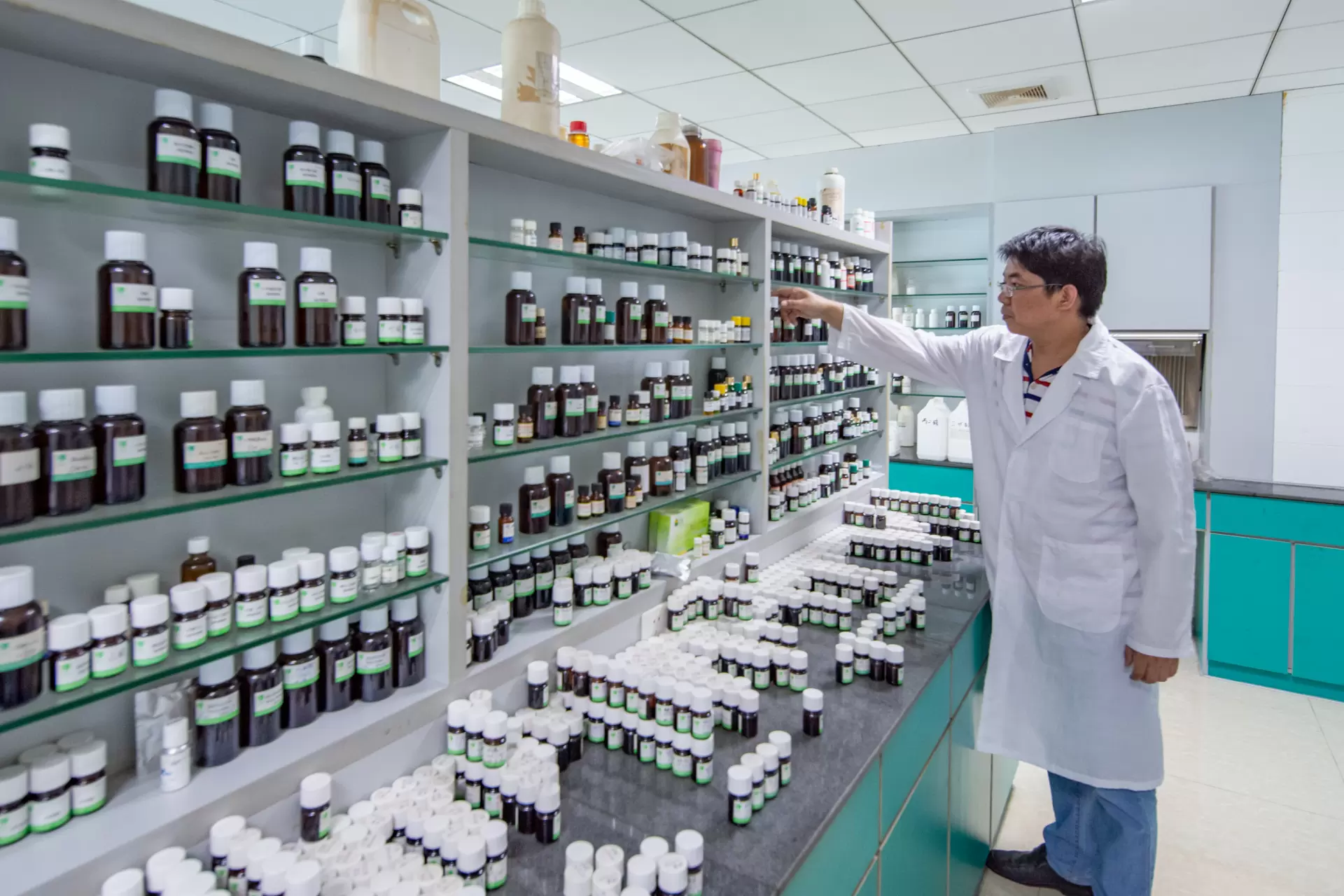
Match The Sample Path To The Product Type
A factory making hard-packed ice cream may need different review notes from a soft serve mix, gelato base, vegan frozen dessert, powder premix, or dairy-style beverage. Buyers should say whether vanilla, chocolate, fruit, dairy, or novelty notes for soft serve bases is the main flavor, a support note, or part of a larger blend.
If the request includes natural, vegan, allergen, or non-GMO wording, keep that as a separate document question. The sensory profile and the label claim require separate review.
For distributors and private label teams, the sample brief should say whether the flavor is for a finished liquid mix, dry soft serve powder, syrup-style addition, or factory-blended concentrate. Each route changes the practical questions: mixing order, color, serving temperature, storage, and customer preparation instructions. If the same flavor will be sold into several soft serve systems, ask for separate evaluation notes. Select the format and trial level from those tests, then discuss commercial terms for the expected order route.
Soft serve projects also need a simple service-condition note. A sample that tastes balanced in a lab cup can change when the mix is aged, aerated, dispensed, and held in a machine. Buyers should record whether the flavor appears quickly at first draw, fades during eating, or leaves an aftertaste after the product warms. If the concept includes swirl flavors, syrups, toppings, or seasonal limited-time profiles, the brief should describe the full serving build. Track holding change, color, solubility, equipment cleaning observations, trial level, and storage during the test.
Project challenges

Soft Serve Flavoring Needs Machine And Mix Context
Soft serve ice cream flavoring should be reviewed with the mix system and serving process. Powder mix, liquid mix, dairy base, plant-based base, overrun, serving temperature, and machine conditions can change flavor intensity and release. A flavor that works in hard ice cream may not feel the same in soft serve.
The buyer should say whether the flavor is added to base mix, syrup, powder premix, or variegate. Evaluate after the machine process, not only in unfrozen mix. Record intensity, creaminess, aftertaste, and whether the flavor remains stable during holding.
Soft Serve Flavoring Should Match Mix Type And Machine Conditions
Soft serve flavoring should be tested after the machine process because serving temperature, overrun, and holding time change flavor release. A powder mix, liquid mix, syrup addition, or base tank addition may need different handling and dosage review.
Buyers should send mix type, dairy or plant base, fat and sugar context, machine or serving condition, addition point, target flavor, and expected holding time. If the flavor is for a chain or distributor, include whether the same profile must work across different machines or markets. Set the trial level through testing in the intended mix and dispensing setup.
RFQ checklist
Optional details for follow-up sample planning
These details are optional for first contact. Share them later when they are available.
Send these details when requesting soft serve ice cream flavoring samples or quotation review:
- Finished application: ice cream, soft serve, gelato, vegan frozen dessert, dairy-style dessert, powder premix, or milk beverage.
- Target profile: vanilla, chocolate, fruit, dairy, or novelty notes for soft serve bases.
- Base formula notes: sweetness, acidity, fat phase, water phase, color, heat step, dry blending, carbonation, dairy-style ingredients, plant base, or competing flavor notes as relevant.
- Preferred food flavoring format: liquid, powder, concentrate, emulsion, oil-compatible, water-soluble, or open to supplier review based on the mix and addition point.
- Testing plan: lab sample, benchmark match, pilot trial, distributor range review, reformulation, or new product development.
- Document needs: identify the COA, SDS/MSDS, TDS, allergen statement, Halal, Kosher, FDA, EU, ISO, HACCP, FSSC, organic, vegan, non-GMO, or other declarations required for the selected market and confirm availability for the mix.
- Commercial details: add the expected quantity and purchasing stage so MOQ, price, packaging, shelf life, storage, lead time, sample policy, export workflow, and payment terms can be reviewed in context.
Buyer FAQ
Common questions before sample selection
What information should I send for soft serve ice cream flavoring?
Send the mix type, target profile, base formula, freezing and serving process, preferred format, market, document needs, sample purpose, and any benchmark notes. Include the expected order stage to receive relevant MOQ, price, packaging, shelf life, storage, lead time, sample policy, export workflow, and payment information.
Can one sample work across multiple applications?
It may need separate testing. Beverage, candy, bakery, dairy-style, syrup, and powder systems can change flavor release and balance.
Can you confirm use level on this page?
No. Use level depends on the mix formula, freezing process, serving condition, target intensity, and market review. Request trial guidance for the specific soft serve system and verify it through machine testing.
Which documents should be requested?
For soft serve ice cream flavoring, identify the documents required for the mix type and destination market, including COA, SDS/MSDS, TDS, allergen statement, Halal, Kosher, FDA, EU, ISO, HACCP, FSSC, organic, vegan, non-GMO, and other declarations. Ask the supplier to confirm applicability and wording for the selected flavor, liquid or powder mix, and addition route.
What makes soft serve evaluation different from hard ice cream?
Soft serve is judged while it is aerated, cold, and freshly dispensed, so draw temperature, overrun, mix aging, and holding time matter. Test the sample in the intended mix and equipment, then use the results and order stage to discuss format fit, solubility, trial level, sample terms, and commercial conditions.
What should I send for soft serve ice cream flavoring?
Send the soft serve base, powder or liquid mix type, addition point, machine/serving context, target profile, storage route, format preference, quantity stage, market, and document requirements. Test after serving.
What details help choose soft serve flavoring?
Send mix type, dairy or plant base, fat and sugar context, machine conditions, serving temperature, addition point, holding time, target profile, market, format, and documents.
Topic cluster
Explore related flavor topics
Dairy Flavors for Food and Beverage ApplicationsCompare flavor behavior in dairy, frozen dessert, and creamy systems.Powder vs Liquid Food Flavors: Format Selection GuideCompare flavor form, solubility, handling, and application fit.Natural vs Artificial FlavorsReview label wording and claim-sensitive flavor questions cautiously.Food Flavor Compliance Documents Request GuideCheck which document and market questions should be confirmed before ordering.Custom Flavor Development for Food Product ProjectsMove from a general flavor search into a project-specific development brief.Sample requestStart with the product, target market, and project goal. Add technical details later if available.
Inquiry path
Move from page research to sample discussion
Start with your name, email, product or flavor, country, and project details. Add technical information only if it is already available.