flavoring liquid

Flavoring Liquid for Food Product Development

Specify flavoring liquid for food applications with a buyer brief covering product base, process, target profile, documents, and sample needs.

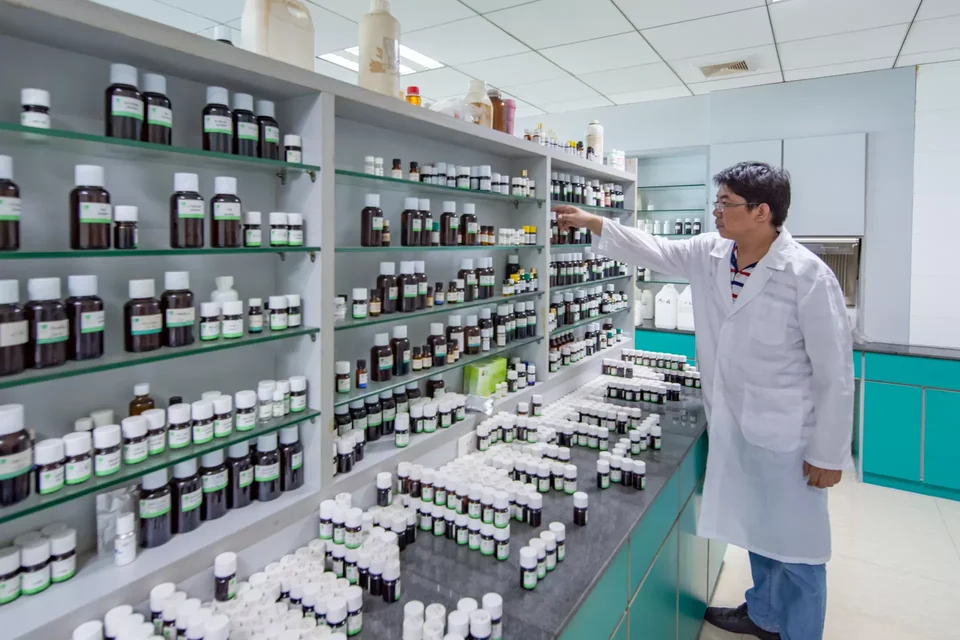
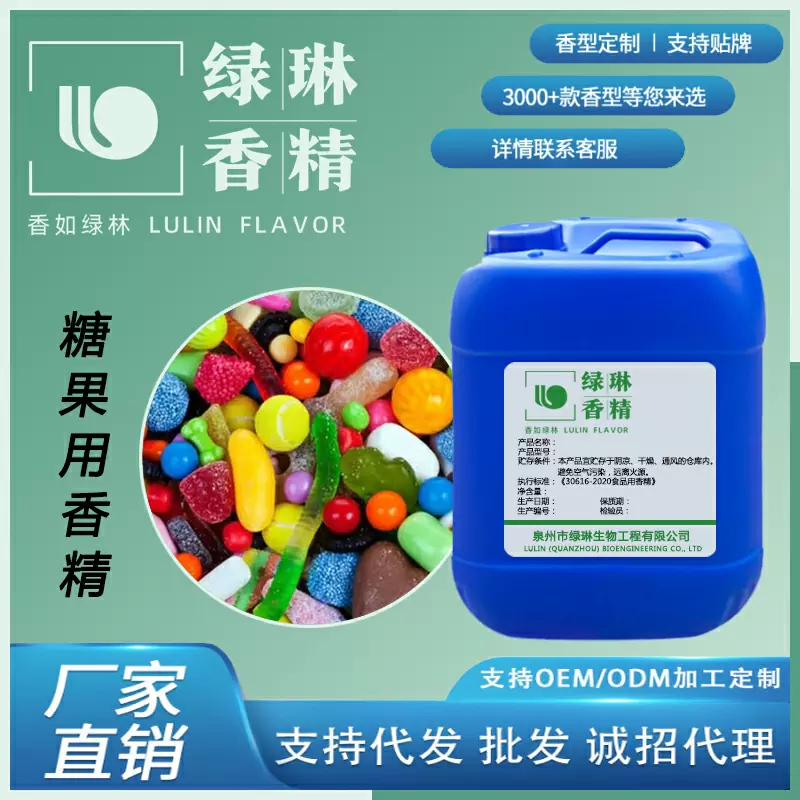
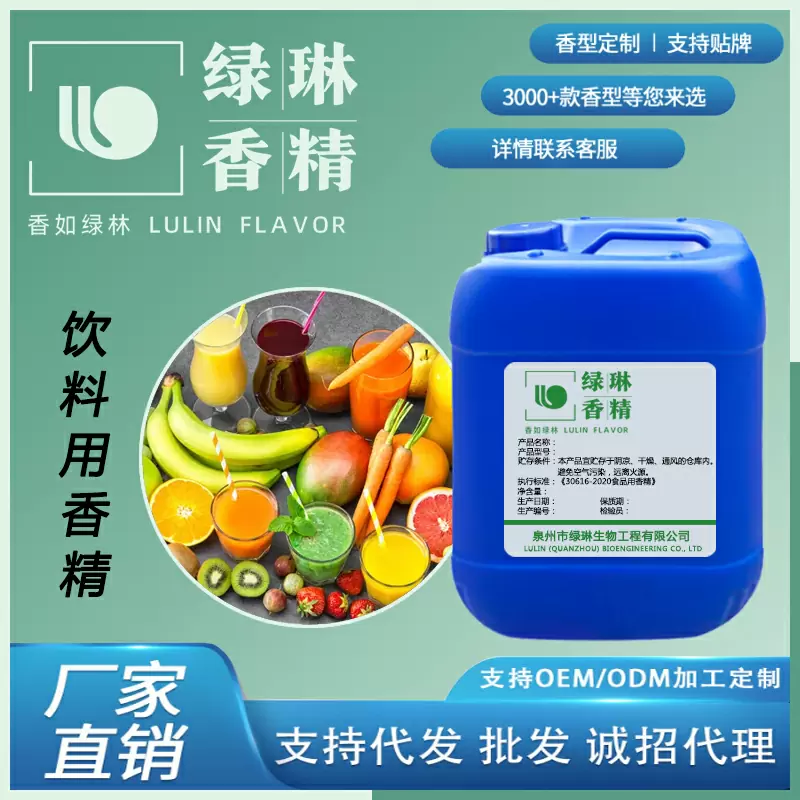
Flavoring Liquid for Food Product Development application visual
57answer words
7buyer FAQs
RFQsample path

Application visual for flavor selection, sample review, and buyer discussion.

Direct answer

What a buyer needs to know first

A flavoring liquid is a liquid food flavoring requested for use in a specific food or beverage base. Buyers should define the application first, then ask about suitable flavor profile, format, document needs, and sample testing. It should not be selected by keyword alone. Dosage, carrier, solubility, stability, packing, shelf life, and commercial terms are Needs confirmation.

Buyer brief

Check fit before requesting a sample

Target buyerR&D teams, procurement managers, food brands, contract manufacturers, and distributors preparing a liquid flavoring sample request.
Search intentBuyers using the phrase flavoring liquid or flavouring liquid and asking how to specify a liquid food flavoring for a food product.
Keyword themeflavoring liquid, flavouring liquid, food flavoring liquid.
Next stepRequest samplesShare application, format, market, quantity, and document needs.

Application guidance

Review the flavor in the real product system

How To Specify A Flavoring Liquid

"Flavoring liquid" is often a procurement phrase rather than a technical specification. A buyer may type it when they need a liquid sample but are not sure what details the supplier requires. This page should answer that practical question: what information helps a supplier recommend the right food flavoring liquid?

Start with the finished product. A flavoring liquid for a beverage is different from one for candy, filling, syrup, sauce, dairy-style product, or bakery application. The flavor name matters, but the base formula and process decide what should be tested.

The page should not duplicate the broader liquid food flavoring guide too closely. This version should read like a request-preparation page for buyers who are about to contact a supplier and need to translate a vague keyword into a usable brief.

Application Questions Before Sample Selection

The buyer should describe the base before discussing dosage, which is Needs confirmation. Is the system water-based, sugar-based, acidic, fat-containing, alcohol-containing, heated, chilled, carbonated, or dry-mixed with later reconstitution? Each condition can change flavor perception and format suitability.

The buyer should also define the target flavor profile. Fruit, milk, vanilla, chocolate, mint, coffee, tea, cola, caramel, nut, or savory notes are broad directions. A better brief adds sensory words such as fresh, ripe, creamy, roasted, cooling, cooked, sweet, tart, or clean finish.

If appearance matters, say so early. Clarity, color impact, cloudiness, separation, solubility, and stability claims are Needs confirmation and should not be implied without product data.

When The Phrase Means A Procurement Question

Many sourcing teams ask for flavoring liquid because they are replacing a supplier, comparing imported options, or preparing a quote for a customer. In that case, the inquiry needs both technical and commercial context.

The technical side covers product type, process, target profile, format, and documents. The commercial side covers projected purchase plan, destination market, private label needs, delivery expectations, price review, and sample plan. The draft must keep all commercial promises marked as Needs confirmation.

For LULIN FLAVOR, the page can invite buyers to send their application brief for review. It should not promise exact matching, universal suitability, or guaranteed performance across applications.

Testing Notes For Food Flavoring Liquid

Liquid samples should be evaluated in the buyer's actual product or a close lab base. Plain water or sugar syrup can help screen aroma direction, but it may not predict performance in a final formula with acid, fat, heat, carbonation, alcohol, starch, or protein.

Keep test notes consistent. Record sample code, trial level, base formula version, process conditions, tasting date, sensory comments, and open document questions. Exact trial levels should come from confirmed technical guidance, not from a public page.

If the flavoring liquid is being compared with powder or concentrate, the comparison should use the same target profile and decision criteria. Format choice should support the formula and process, not only the keyword used during sourcing.

Flavoring Liquid Requests Should Name The Production Step

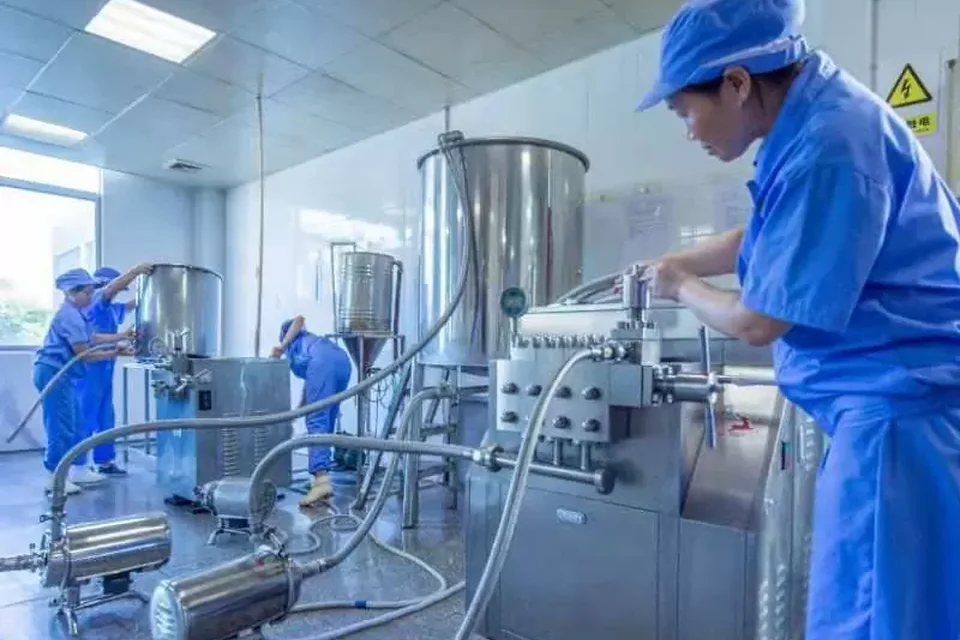
Flavoring liquid can be added through manual weighing, pumping, spraying, premixing, syrup blending, filling, sauce mixing, or beverage tank dosing. The buyer should explain the production step because it affects viscosity, dispersion, packaging, and handling expectations.

The supplier also needs to know whether the system is water-based, oil-based, dairy, alcoholic, acidic, heated, frozen, or dry-blend-adjacent. A liquid flavor may fit one part of the process and fail another. Use level, carrier, shelf life, storage, and document wording are Needs confirmation for the exact product and application.

Flavoring Liquid Approval Should Include Handling Risk Notes

Flavoring liquid approval should include the factory handling risks that may affect production. Buyers should review viscosity, phase compatibility, odor control, packaging integrity, dosing accuracy, cleaning process, storage, and operator workflow alongside the sensory result.

The application brief should state whether the liquid is weighed manually, pumped, sprayed, blended into syrup, dosed into tanks, mixed into sauce, or added to dairy or bakery filling. If the production team has limits on container size, pump type, or storage temperature, include them before sample approval. Suitability is Needs confirmation.

Sample review

Send the details that make a flavor quote useful

Food flavors change with sweetness, acid, fat, process, storage, format, and market requirements. A practical brief helps the supplier choose a better sample path.

Food flavor sample review process visual

RFQ checklist

Information to prepare before requesting samples

  • Finished product and application category.
  • Target flavor profile, desired sensory notes, and any benchmark described without asking for an exact copy.
  • Product base: water, sugar, acid, fat, alcohol, dairy-style system, starch, protein, or other dominant matrix.
  • Process conditions: heating, cooling, carbonation, dilution, filling, mixing order, and point of addition.
  • Appearance or handling needs, including clarity, dispersion, color impact, or phase questions. All technical claims are Needs confirmation.
  • Needs confirmation required documents: COA, SDS/MSDS, TDS, allergen statement, natural declaration, Halal, and Kosher.
  • Needs confirmation certification or market references: FDA, EU, ISO, HACCP, FSSC, or market-specific documents.
  • Commercial context: project stage, destination market, estimated purchasing plan, target launch timing, sample purpose, and current supplier issue.
  • Needs confirmation commercial terms: MOQ, price, sample size, sample cost, freight policy, and packing.
  • Needs confirmation order terms: shelf life, storage conditions, and lead time.

Buyer FAQ

Common questions before sample selection

What is a flavoring liquid?

A flavoring liquid is a liquid food flavoring format requested for a defined food or beverage application. Exact composition, format, and suitability are Needs confirmation.

How is flavoring liquid different from liquid flavoring?

The phrases often reflect the same buyer intent. This page treats flavoring liquid as a sourcing phrase for liquid food flavoring used in food product development.

Can one flavoring liquid work in both candy and beverages?

Not automatically. Candy and beverage systems may have different heat, acid, sugar, dilution, and appearance requirements. Application testing is needed.

What details help a supplier choose a sample?

Send the finished product, target profile, base formula context, process conditions, document needs, destination market, and sample evaluation method.

Should I ask for dosage before testing?

Ask for technical guidance during sample review, but do not rely on a public universal dosage. Dosage and use level are Needs confirmation because they depend on product, process, profile, and regulatory review.

What should I send for a flavoring liquid inquiry?

Send the application, base phase, production step, dosing method, heat or acid conditions, clarity or dispersion requirement, packaging, storage, market, and document needs. State whether liquid format is required or open to review.

What handling details matter for flavoring liquid?

Send dosing method, base phase, viscosity concern, pump or manual weighing route, packaging limits, storage condition, cleaning needs, process heat, market, quantity stage, and document checklist.

Topic cluster

Explore related flavor topics

Inquiry path

Move from page research to sample discussion

Request samples
Project details and business terms are confirmed before public use. Commercial terms, document availability, regulatory wording, images, and claims are confirmed by project.