


Food Flavoring For Commercial Food And Beverage Products
Learn how to source food flavoring for beverages, bakery, confectionery, and bulk production with application details, sample testing, and RFQ questions.

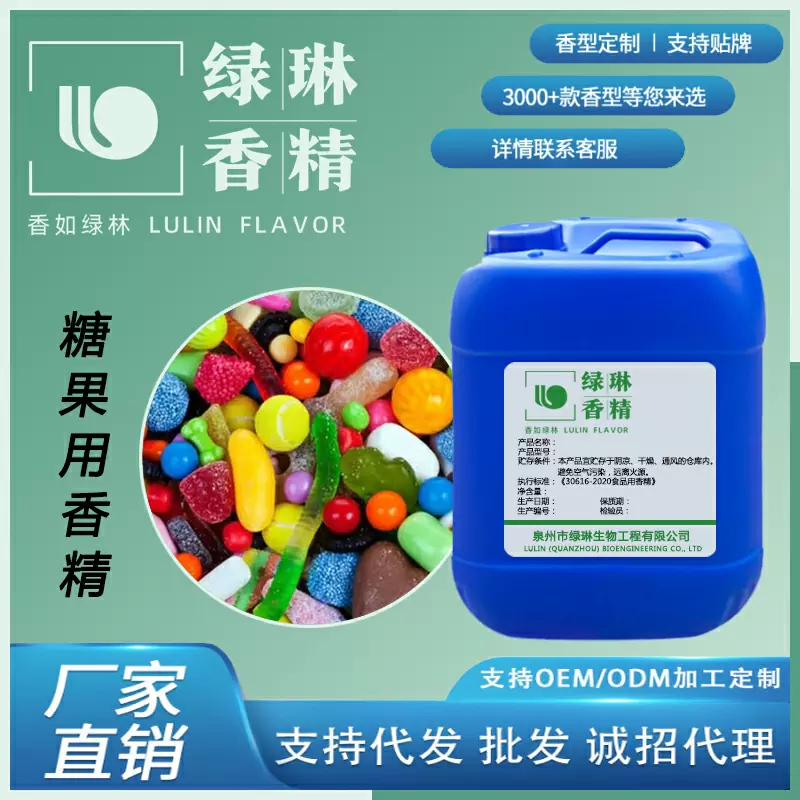
Application visual for flavor selection, sample review, and buyer discussion.
Direct answer
What a buyer needs to know first
Food flavoring is a food-grade flavor product used to create or adjust taste and aroma in finished foods and beverages. For B2B sourcing, buyers should define the application, flavor profile, format, process conditions, regulatory market, sample testing method, and purchasing stage before asking for a quote. Exact use rate, documents, MOQ, and timing need confirmation.
Buyer brief
Check fit before requesting a sample
Application guidance
Review the flavor in the real product system
What Food Flavoring Means In B2B Sourcing
In consumer language, food flavoring can sound simple: vanilla, strawberry, milk, mango, caramel, or coffee. In B2B sourcing, the word has to carry more information. The buyer is not only choosing a name. They are choosing a flavor direction that must work in a finished product, survive the process, fit the label plan, and be practical for repeat purchasing.
This page should define food flavoring in buyer terms without turning into a textbook. Food flavoring is used to create, reinforce, or adjust sensory character in products such as beverages, confectionery, bakery items, candy, and carbonated alcoholic beverages. The exact ingredient declaration, source type, and regulatory wording must be confirmed for each product and market.
LULIN FLAVOR can be positioned as a supplier for food flavoring sample requests and application discussion. The page should avoid claims about specific certificates, fixed dosage ranges, market approvals, or document assurances until those details are confirmed.
What Buyers Should Define Before Sampling
The fastest way to improve a food flavoring request is to describe the product base. A flavor that smells good alone may perform differently in a drink, cream filling, baked cake, hard candy, or powdered mix. Processing conditions and the food matrix matter.
Buyers should define the application, flavor target, sweetness level, acidity, fat content, heating step, carbonation, alcohol content, dilution ratio, or powder blending need where relevant. They do not need every technical detail in the first email, but they should include enough information for the supplier to avoid guessing.
It also helps to explain the project stage. A new product concept, a supplier replacement, a cost review, and a distributor portfolio request all need different sample logic. If the buyer has a current flavor problem, name the problem: weak aroma, harsh aftertaste, heat loss, poor fit in the base, document gap, or purchasing risk.
Application And Format Questions
Food flavoring is often discussed by application first. Beverage projects may raise questions about acidity, clarity, dilution, sweetness system, carbonation, and heat treatment. Bakery projects may need to consider aroma after baking and cooling. Confectionery projects may depend on sugar system, coating, filling, acidity, and eating experience.
Format questions should come next. A buyer may ask for liquid food flavoring, powder flavor, or flavor concentrate, but the right choice depends on formula, process, handling, packaging, and test method. If the buyer is unsure, the page should invite them to ask for supplier review instead of forcing a format too early.
When exact use levels are requested, this page should stay cautious. Use rate depends on the flavor, finished product, target intensity, processing conditions, and applicable review. It should be confirmed through product testing and supplier guidance, not published as a general promise.
How To Move From Trial To Bulk Discussion
A food flavoring project usually moves through a few practical steps: send a brief, receive or discuss sample options, test in the real product base, share feedback, then prepare an RFQ if the sample is close enough. The supplier discussion should become more specific as the project moves from tasting to purchasing.
For an RFQ, the buyer should provide expected order range, packaging expectations, destination market, required documents, target schedule, and any repeat-order plan. These details help LULIN FLAVOR review the inquiry, but they do not confirm MOQ, lead time, export capability, document availability, or price.
The page should keep the CTA focused: send the application brief first, then let the supplier review the sample and RFQ path.
Food Flavoring Searches Should Be Routed By Use Case
Food flavoring is a broad term, so the page should help buyers choose the right next page. A beverage buyer needs pH, clarity, and sweetness review. A bakery buyer needs heat review. A candy buyer needs release and process review. A distributor may need document and packaging review first. Routing broad searches this way keeps the site useful for humans and clearer for AI systems that need to cite a specific answer.
Sample review
Send the details that make a flavor quote useful
Food flavors change with sweetness, acid, fat, process, storage, format, and market requirements. A practical brief helps the supplier choose a better sample path.
RFQ checklist
Information to prepare before requesting samples
Ask buyers to provide:
- Finished product type and application category.
- Target food flavoring profile and sensory goal.
- Food base details that affect performance, such as acidity, sweetness, fat content, carbonation, heating, alcohol content, or powder blending.
- Preferred format if known: liquid, powder, concentrate, or open to supplier recommendation.
- Project stage: concept screen, sample matching, reformulation, pilot run, distributor evaluation, or bulk purchasing review.
- Sample testing method and evaluation criteria.
- Destination market and document requests. Availability must be confirmed.
- Trial quantity, expected first order range, and annual forecast if available. These are not confirmed MOQ.
- Packaging, labeling, storage, and logistics expectations for supplier review.
- Target timeline, with sample and production timing subject to confirmation.
Buyer FAQ
Common questions before sample selection
What is food flavoring?
Food flavoring is a food-grade flavor product used to create or adjust taste and aroma in a finished food or beverage. Exact composition and labeling wording depend on the specific product and market.
How do I choose the right food flavoring?
Start with the finished product application, target flavor profile, process conditions, required format, and sample testing method. A supplier can review those details before suggesting a sample direction.
Is food flavoring usually liquid or powder?
It can be liquid, powder, concentrate, or another form depending on the application and supplier product line. Exact format availability should be confirmed for the requested flavor and use case.
Can LULIN FLAVOR quote food flavoring from a flavor name only?
A flavor name alone is usually not enough for a useful quote. Send the application, target profile, format, process conditions, destination market, document needs, and expected purchasing stage.
Are use rates or compliance documents confirmed on this page?
No. Use rates, documents, certificates, regulatory statements, MOQ, lead time, and sample terms must be confirmed by LULIN FLAVOR before public use or quoting.
Topic cluster
Explore related flavor topics
Inquiry path