
liquid flavoring

Liquid Flavoring for Food And Beverage Applications

Review liquid flavoring for beverages, candy, fillings, and food production. Prepare sample requests with application, process, and document details.

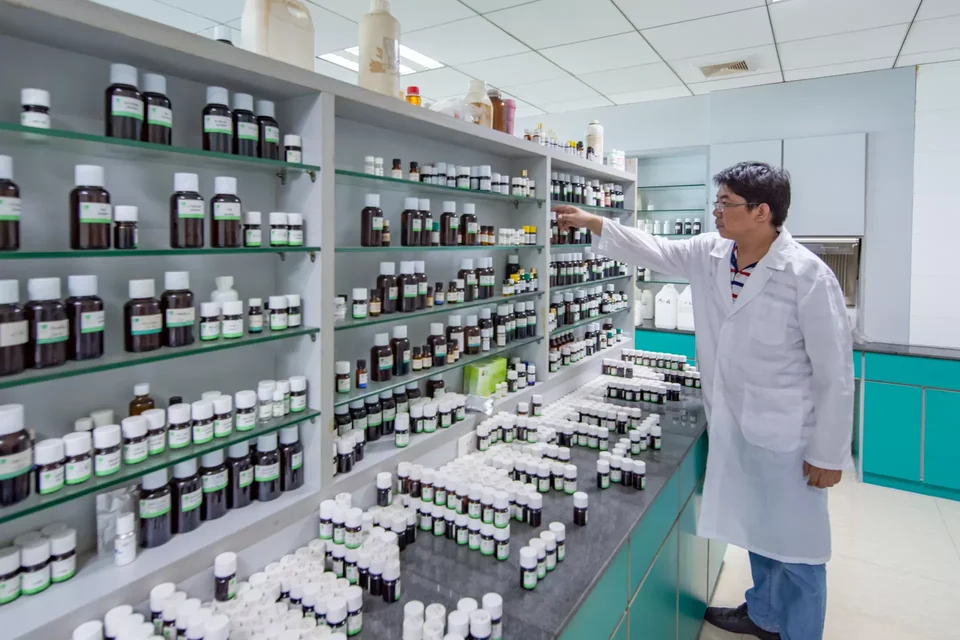
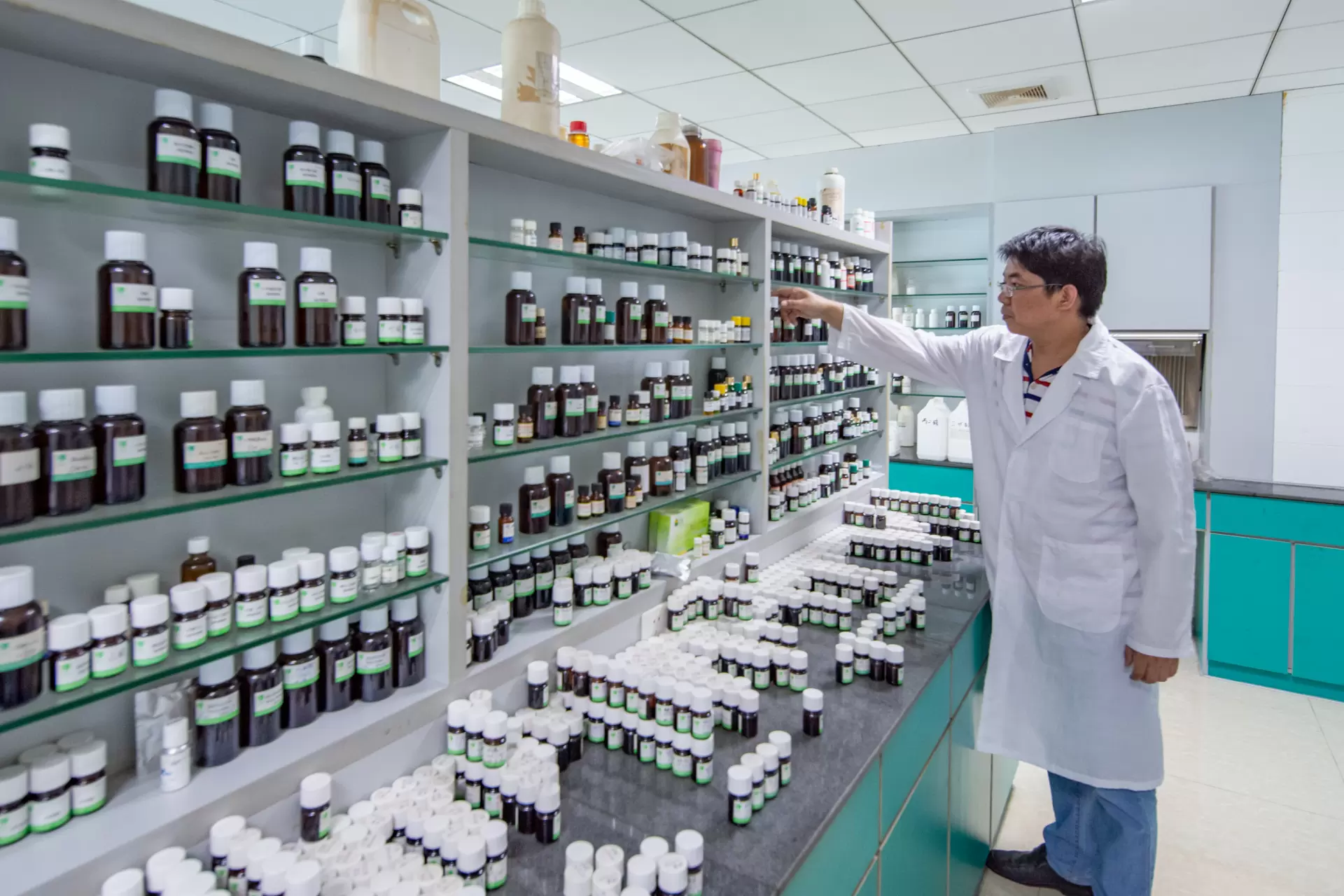
Liquid Flavoring for Food And Beverage Applications application visual
55answer words
7buyer FAQs
RFQsample path

Application visual for flavor selection, sample review, and buyer discussion.

Direct answer

What a buyer needs to know first

Liquid flavoring is a liquid food flavoring format often requested for beverages, candy systems, syrups, fillings, sauces, and other products where a liquid ingredient fits the process. Buyers should confirm the finished application, flavor target, processing conditions, format requirements, and documents before sampling. Dosage, solubility, stability, packing, shelf life, and commercial terms are Needs confirmation.

Buyer brief

Check fit before requesting a sample

Target buyerBeverage developers, confectionery teams, bakery and filling manufacturers, food factories, distributors, and sourcing managers comparing liquid food flavoring options.
Search intentBuyers searching for liquid flavoring, liquid flavouring, or liquid flavoring for candy, water, beverages, and food production.
Keyword themeliquid flavoring, liquid flavouring, liquid flavoring for food.
Next stepRequest samplesShare application, format, market, quantity, and document needs.

Application guidance

Review the flavor in the real product system

What Buyers Usually Mean By Liquid Flavoring

"Liquid flavoring" is a broad buyer phrase. One buyer may mean flavoring for bottled water. Another may mean liquid flavouring for hard candy, gummies, syrup, filling, beverage base, or a wet food formula. The page should treat the phrase as a starting point for qualification, not as a single universal product.

For B2B food production, the useful question is where the liquid will be used and how it will be judged. A strawberry liquid flavoring for water is not the same project as a strawberry note for candy or bakery filling. Sweetness, acid, heat, fat, and serving condition can change the final flavor.

LULIN FLAVOR can use this page to route broad liquid-format searches toward a sample request. Public facts support conservative wording around food-grade flavor development, production, sales, and application support. Exact liquid product specifications must be confirmed before public use.

Common Food Applications To Discuss

Liquid flavoring may be reviewed for still beverages, carbonated beverages, flavored water, syrups, candy systems, bakery fillings, sauces, dairy-style applications, and other food products. Application support for each category is Needs confirmation and should be verified before the page goes live.

For liquid flavoring for candy, the buyer should explain whether the product is hard candy, gummy, jelly, filling, coating, or another confectionery format. Heat exposure, sugar system, acid level, and final texture can all affect flavor perception.

For liquid flavoring for water or beverages, the buyer should describe whether the drink is still, carbonated, acidic, sweetened, alcoholic, clear, colored, diluted, or concentrated. Clarity, solubility, and stability claims are Needs confirmation and should not be assumed.

What Changes Liquid Flavor Performance

Liquid format can be convenient in lab trials because it is often easy to dose and adjust in small test batches. That convenience does not remove the need for application testing. A flavor can smell strong from the bottle but behave differently after dilution, heating, cooling, carbonation, or mixing with fat or acid.

Process details should be discussed before samples are selected. The point of addition, mixing order, heat step, pH, alcohol content, sugar level, fat phase, and final serving temperature can all matter. If the production line has handling limits, those should be shared early.

Documentation is another part of performance in real purchasing. A sample that tastes right may still need document review before approval. Needs confirmation document references include COA, SDS/MSDS, TDS, allergen statement, natural declaration, Halal, and Kosher. Needs confirmation certification or market references include FDA, EU, ISO, HACCP, and FSSC.

How To Request Liquid Flavoring Samples

The best sample request gives a target and a test base. Buyers should describe the desired profile, such as mango, orange, milk, vanilla, cola, mint, caramel, berry, tea, coffee, or another direction, then explain the finished product where it will be tested.

If there is a competitor or current supplier sample, describe the sensory goal instead of asking for an exact copy. Useful notes include stronger top aroma, less aftertaste, more natural fruit character, better balance with acid, or improved performance after heat. Exact matching should not be promised in this page.

Commercial discussion should come after the supplier understands the product. MOQ, price, sample size, sample cost, freight terms, packing, storage conditions, shelf life, and delivery schedule are Needs confirmation.

Liquid Flavoring Should Be Matched To Mixing And Packaging

Liquid flavoring can simplify dosing in beverages, syrups, sauces, dairy, bakery fillings, and confectionery systems, but it also raises questions about viscosity, solubility, phase compatibility, packaging, leakage risk, odor control, and storage. Buyers should describe factory handling, not only flavor name.

The supplier needs the base phase, addition point, heat exposure, pH, mixing equipment, target flavor intensity, pack size expectation, and market. If the same flavor will be used across multiple products, list each application separately because one liquid format may not fit every process. Use level and shelf life are Needs confirmation.

Liquid Flavoring Storage And Container Choice Affect Usability

Liquid flavoring usability depends on more than taste. Container size, closure, odor control, viscosity, dosing method, storage temperature, spill risk, and operator workflow can affect whether a sample works in production.

Buyers should ask the production team how the flavor will be received, stored, opened, measured, and added. Send pack size expectations, storage limits, pump or manual dosing route, heat process, base phase, and cleaning concerns. If the product is exported, document and labeling needs should be confirmed before final approval.

Sample review

Send the details that make a flavor quote useful

Food flavors change with sweetness, acid, fat, process, storage, format, and market requirements. A practical brief helps the supplier choose a better sample path.

Food flavor sample review process visual

RFQ checklist

Information to prepare before requesting samples

  • Finished product category: water, beverage, candy, syrup, filling, sauce, bakery item, dairy-style product, or another food application.
  • Target flavor profile and intensity preference, including any private benchmark described in sensory terms.
  • Product matrix: water-based, sugar-based, acidic, fat-containing, alcohol-containing, dairy-style, heated, chilled, or carbonated.
  • Process details: point of addition, mixing order, heat exposure, dilution, filling method, and final serving condition.
  • Evaluation criteria: aroma, taste, aftertaste, appearance, clarity, mouthfeel, and performance after processing.
  • Needs confirmation required documents: COA, SDS/MSDS, TDS, allergen statement, natural declaration, Halal, and Kosher.
  • Needs confirmation certification or market references: FDA, EU, ISO, HACCP, FSSC, or market-specific documents.
  • Needs confirmation commercial assumptions: MOQ, price, sample size, sample cost, freight, and packing.
  • Needs confirmation order assumptions: shelf life, storage conditions, lead time, and payment terms.

Buyer FAQ

Common questions before sample selection

What is liquid flavoring used for in food production?

Liquid flavoring may be reviewed for beverages, syrups, candy systems, fillings, sauces, bakery products, and other food applications where a liquid input fits the process.

Is liquid flavoring the same as liquid food flavoring?

In many buyer searches, yes. For this website, liquid flavoring should be treated as liquid food flavoring for food and beverage applications.

Can liquid flavoring be used for candy?

It can be evaluated for candy projects, but hard candy, gummies, fillings, coatings, and other confectionery systems may need different testing. Suitability is Needs confirmation.

Can liquid flavoring be used for water?

It can be reviewed for water or beverage projects, but clarity, solubility, dosage, stability, and regulatory details are Needs confirmation.

What should I send before requesting a sample?

Send the application, target flavor, base formula context, process conditions, destination market, document needs, and expected purchasing plan.

What should buyers include in a liquid flavoring RFQ?

Include application, base phase, addition point, pH, heat exposure, mixing method, target flavor, packaging expectation, destination market, quantity stage, and document needs. Confirm use level and format suitability per application.

What production details matter for liquid flavoring?

Send container needs, dosing route, storage limits, viscosity concern, base phase, heat process, cleaning needs, market, quantity stage, and document checklist.

Topic cluster

Explore related flavor topics

Inquiry path

Move from page research to sample discussion

Request samples
Project details and business terms are confirmed before public use. Commercial terms, document availability, regulatory wording, images, and claims are confirmed by project.