Application fit
alcohol flavoring
Alcohol Flavoring
Start with the product, target market, and project goal. Technical details are optional at first contact.
Direct answer
Alcohol flavoring requests work best when the buyer defines the finished application, target alcohol-style note, base formula, process, preferred format, destination market, and required documents. Ask the supplier to identify suitable sample directions and confirm item-specific use guidance, stability, solubility, documentation, packaging, pricing, minimum order, and timing during the inquiry.
Application checkpoints
Process fit
Where This Flavor May Need Separate Testing
Review the detailed guidanceSensory fit
Alcohol-Compatible Direction And Bench Testing
Review the detailed guidanceApplication routes
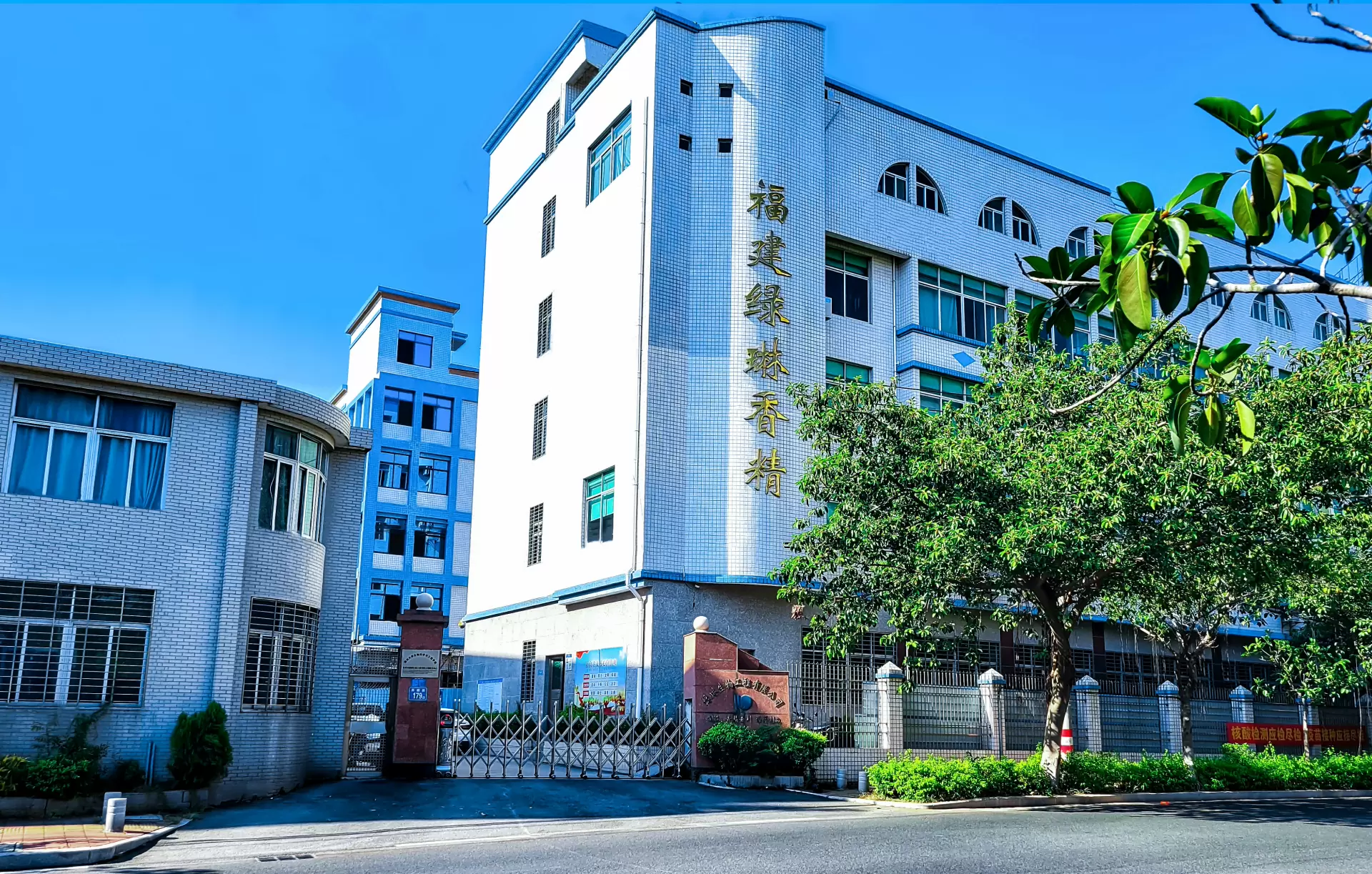
Define The Profile Before Asking For A Sample
Alcohol Flavoring can point to several sensory directions. In B2B work, the buyer should say whether the target is cocktail-style, wine-style, beer-style, rum-style, or liqueur-style notes. A flavor name alone is not enough, because the same word can mean a candy top note, a creamy dessert note, a baked note, a beverage note, or a savory support direction.
The finished application should guide the sample request. A rum-style note in candy, a wine-style note in a beverage, and a liqueur-style note in a cream filling will release differently and may require separate sample directions.
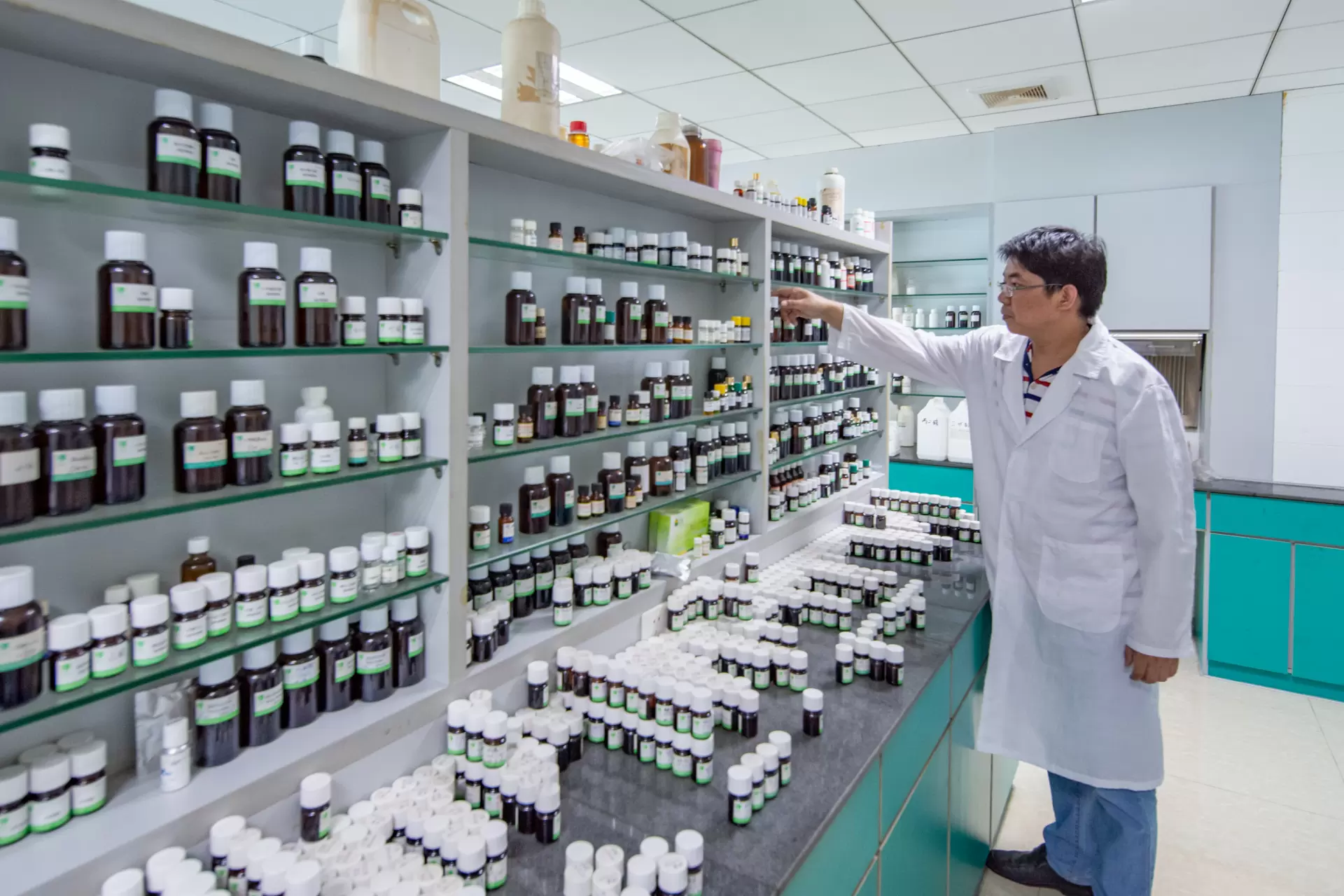
Where This Flavor May Need Separate Testing
A supplier should review alcohol flavoring against the real product base. Sweetness, acidity, fat, heat, water phase, dry blending, color, and competing flavors can all change the result. If the buyer is replacing a current flavor, the brief should explain what is wrong with the current profile.
Ask LULIN FLAVOR which alcohol-style profiles are currently available for sampling and which food or beverage applications they are intended to support.
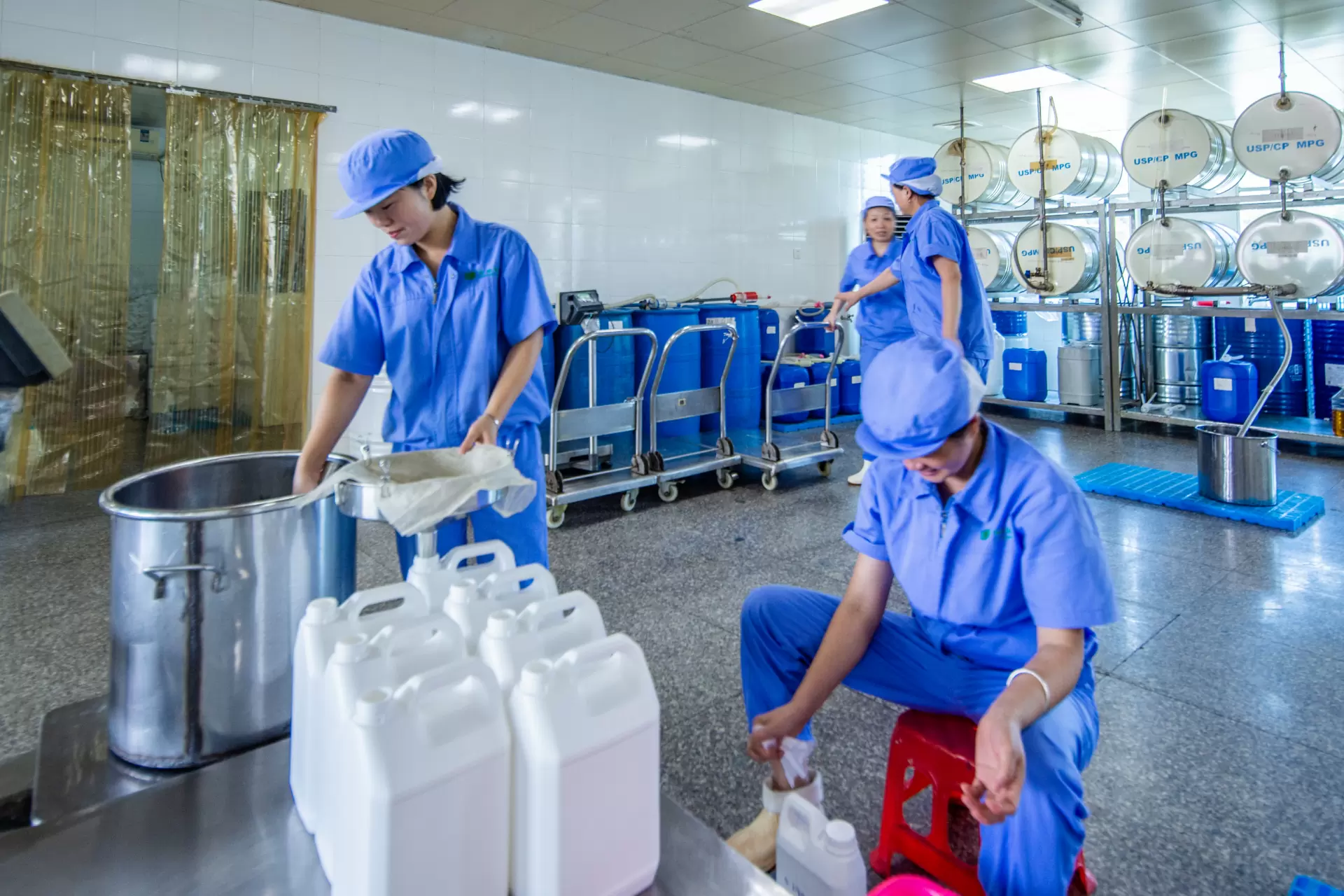
Alcohol-Compatible Direction And Bench Testing
Alcohol flavoring needs an early decision on whether the buyer wants an alcohol-style sensory note in a non-alcoholic food, a flavor for an alcoholic beverage base, or a syrup or confectionery component that only borrows cocktail or liqueur cues. Those are different briefs. A rum-style note in candy may need brown sugar, vanilla, and cooked notes, while a cocktail-style beverage may need citrus lift, bitter balance, carbonation review, and clarity checks.
For beverage or syrup trials, send the expected alcohol level if any, sugar system, acidity, color target, carbonation, preservative system, and whether haze is acceptable. Review alcohol behavior, solubility, clouding, volatility, heat exposure, and shelf life for the selected sample. For bakery fillings or chocolate-style applications, ask whether the flavor is available in a water-soluble, oil-compatible, emulsified, or other suitable format, then set the trial level with the supplier.
Benchmark matching should happen in dilution, not only from an undiluted sample. A buyer can send a finished drink, candy, syrup, or market benchmark and explain whether the target is aroma lift, aftertaste, warmth, sweetness balance, or a specific named style. That helps the supplier decide whether to adjust the profile, the format, or the testing path before quoting.
Alcohol Flavoring Needs Beverage Or Confectionery Context
Alcohol flavoring can mean a flavor for alcoholic beverages, a cocktail-style note for non-alcoholic drinks, or a rum, whiskey, brandy, wine, beer, or liqueur impression for bakery, confectionery, dairy, syrup, or dessert applications. The buyer should clarify whether actual alcohol is present and what market restrictions apply.
In beverage systems, alcohol level, carbonation, acid, sweetness, and heat treatment affect aroma release. In bakery or confectionery, heat and sugar can change the profile. In dairy desserts, fat and cold storage can soften or distort the note.
Project challenges
Claim And Market Review
Alcohol-related wording can be sensitive. Buyers should state the destination market, label wording, target consumers, and whether the product is alcoholic, non-alcoholic, or only alcohol-inspired. Request regulatory and document statements for the exact flavor item and intended use.
Buyer Decision Checkpoint
For alcohol-inspired profiles, confirm whether the finished product contains alcohol or only needs a rum, whisky, beer, wine, cocktail, or liqueur impression. Also confirm whether the wording is for an adult beverage, bakery, confectionery, syrup, or non-alcoholic product. This prevents sample choices and label wording from moving in different directions.
Alcohol Flavoring Requests Should Clarify Taste Versus Alcohol Content
Alcohol flavoring can mean a flavor used in alcoholic beverages, or a flavor that imitates rum, whiskey, brandy, wine, cocktail, beer, or liqueur notes in another food. Buyers should clarify which meaning applies before sampling.
Send the application, whether actual alcohol is present, ABV if relevant, base formula, sweetness, acidity, heat process, target alcohol-style note, and market. If the project is non-alcoholic but needs an alcohol-style taste, flag the proposed label and customer wording so the supplier can review sample suitability and available documents for that use.
RFQ checklist
Optional details for follow-up sample planning
These details are optional for first contact. Share them later when they are available.
Send these details when requesting alcohol flavoring samples or quotation review:
- Finished application: beverage, bakery, confectionery, dairy-style dessert, syrup, powder mix, filling, seasoning, or another food application.
- Target profile: cocktail-style, wine-style, beer-style, rum-style, or liqueur-style notes.
- Base formula notes: sweetness, acidity, fat phase, water phase, color, heat step, dry blending, carbonation, dairy-style ingredients, plant base, or competing flavor notes as relevant.
- Preferred food flavoring format: liquid, powder, concentrate, emulsion, oil-compatible, water-soluble, or open to supplier recommendation; ask which options are available for the selected profile.
- Testing plan: lab sample, benchmark match, pilot trial, distributor range review, reformulation, or new product development.
- Document needs: list the COA, SDS/MSDS, TDS, allergen statement, Halal, Kosher, FDA, EU, ISO, HACCP, FSSC, organic, vegan, non-GMO, or other declarations required, then confirm item-specific availability and wording.
- Commercial details: request the current MOQ, price, packaging, shelf life, storage conditions, lead time, sample policy, shipping scope, and payment terms with the quotation.
Buyer FAQ
Common questions before sample selection
What information should I send for alcohol flavoring?
Send the application, target profile, base formula, process, preferred format, market, document needs, sample purpose, and benchmark notes. Include the expected purchase stage so the supplier can return relevant MOQ, price, packaging, shelf-life, storage, sample, shipping, and payment information.
Can one sample work across multiple applications?
Yes. Alcohol-style notes can shift sharply between a carbonated drink, cooked syrup, baked filling, and fat-based dessert. Test each planned application separately.
How is the use level determined?
Use level depends on the finished formula, processing, target intensity, and destination-market review. Ask for a starting trial range for the selected sample, then approve the dosage only after testing in the intended product.
Which documents should be requested?
List the documents your customer or importer requires, including COA, SDS/MSDS, TDS, allergen statements, certificates, or market declarations. The supplier should identify which documents apply to the exact item.
Should I send an alcohol-based benchmark or a finished product?
Send whichever best represents the target, but label it clearly. A finished beverage, syrup, candy, or bakery filling is often more useful than a neat flavor sample because sweetness, acidity, alcohol level, heat, and color can shift the final profile. Treat matching as an application trial with agreed sensory criteria.
What should be confirmed before sourcing alcohol flavoring?
Confirm the finished application, target alcohol note, base formula, market, document needs, sample policy, MOQ, price, packaging, lead time, and shipping route before sourcing. Review alcohol behavior, use level, stability, and claim wording against the selected item and finished formula.
What should I send for alcohol flavoring?
Send the application, whether alcohol is present, alcohol level if relevant, target profile, process conditions, sweetness or acid system, label wording, destination market, and document needs. Clarify if the flavor is alcohol-inspired for a non-alcoholic product.
What should I clarify for alcohol flavoring?
Clarify whether alcohol is present or only alcohol-style taste is desired. Send application, ABV if relevant, base formula, profile, market, format, and documents.
Topic cluster
Explore related flavor topics
Food Flavor Supplier For B2B Product SourcingCompare supplier scope before sending a sample or RFQ request.Food Flavor Manufacturer For B2B Product DevelopmentReview manufacturing-oriented supplier questions and sample preparation.Food Flavor MOQ, Lead Time, And Export QuestionsReview commercial, lead-time, export, and sample-planning questions.Food Flavor Compliance Documents Request GuideCheck which document and market questions should be confirmed before ordering.Sample requestStart with the product, target market, and project goal. Add technical details later if available.Powder vs Liquid Food Flavors: Format Selection GuideCompare flavor form, solubility, handling, and application fit.
Inquiry path
Move from page research to sample discussion
Start with your name, email, product or flavor, country, and project details. Add technical information only if it is already available.