Food Flavor Manufacturer For B2B Product Development
Evaluate LULIN FLAVOR as a food flavor manufacturer for B2B product development, sample review, application support, and RFQ preparation.

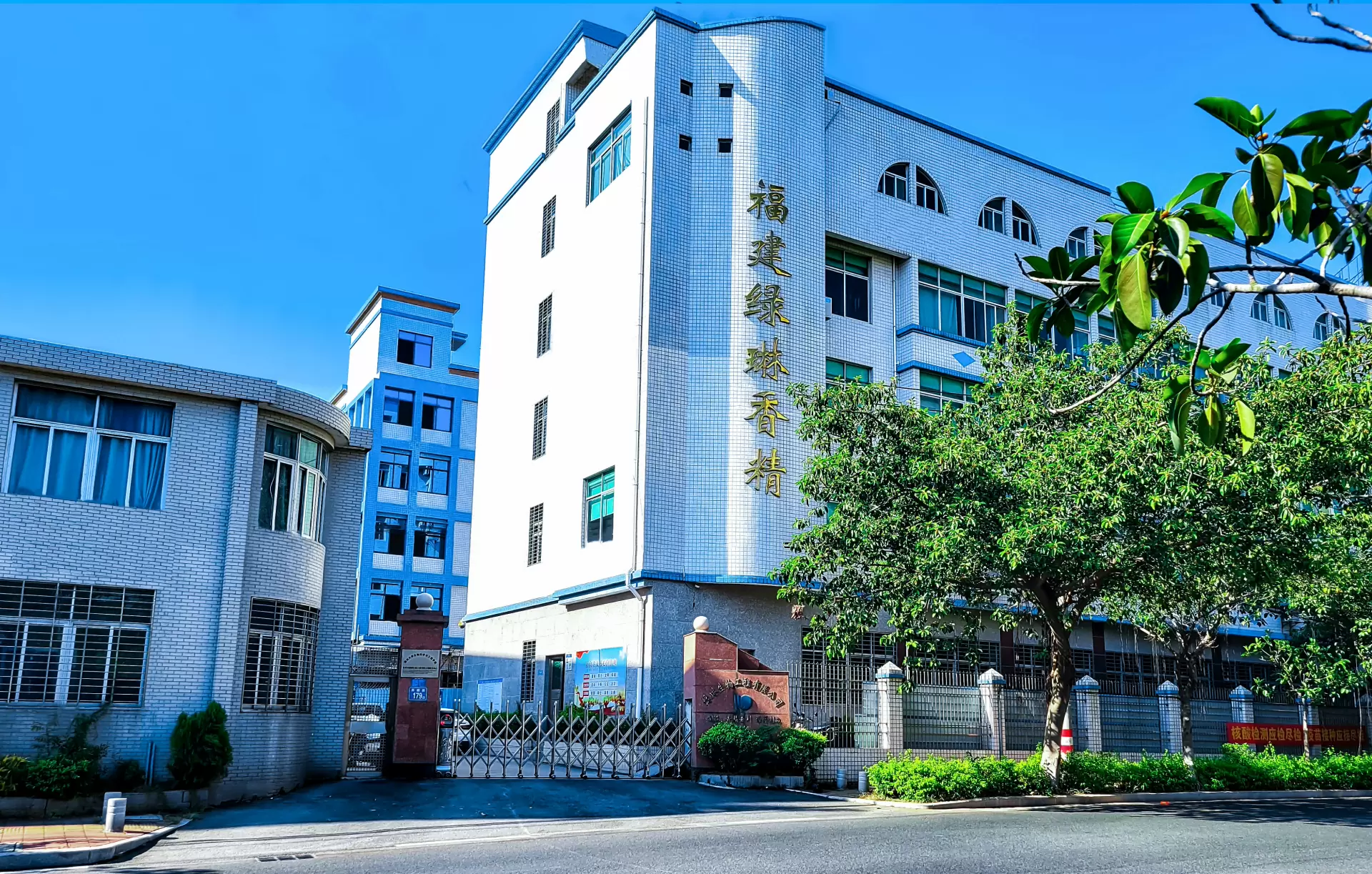
Application visual for flavor selection, sample review, and buyer discussion.
Direct answer
What a buyer needs to know first
A food flavor manufacturer for B2B buyers should do more than send a catalog. The supplier should review application type, target flavor profile, format needs, trial conditions, document requests, and commercial assumptions before quoting. LULIN FLAVOR can be presented as a Quanzhou-based food-grade flavor manufacturer, with exact certifications, MOQ, timing, and export details kept for confirmation.
Buyer brief
Check fit before requesting a sample
Application guidance
Review the flavor in the real product system
What A Food Flavor Manufacturer Should Help You Decide
A food flavor manufacturer should help a buyer connect sensory goals with production reality. The question is not only "Do you have mango, vanilla, milk, or caramel?" The better question is whether the flavor direction can work in the buyer's application, process, label plan, document requirements, and purchasing model.
For a beverage, that may involve acidity, sweetness, heat treatment, carbonation, clarity, powder blending, or aroma release after dilution. For bakery, the review may focus on heat impact, fat content, dough or batter conditions, and the aroma that remains after cooling. For confectionery, the supplier may need to consider sugar system, acidity, coating, filling, and flavor release during eating.
The page should position LULIN FLAVOR as a supplier that expects those details before sample selection and quoting. That is more useful to a buyer than a broad catalog statement.
LULIN FLAVOR Company Background
Public company information identifies LULIN FLAVOR as the English brand of QUANZHOU LVLIN BIOENGINEERING CO., LTD., located in Quanzhou Economic and Technological Development Zone / Qingmeng Industrial Zone, Quanzhou, Fujian, China. The company site states that the business was established in 2001 and is engaged in development, production, and sales of food-grade flavors.
The current public site also describes more than a dozen engineers with over 20 years of flavor development and application experience, three modernized or intelligent production lines, more than 50 employees, a six-acre factory area, and more than 8,000 square meters of building area. These details should be verified for final English wording before public use, but they can guide the draft's supplier positioning.
The page should avoid unsupported claims about certifications, export markets, exact capacity, document availability, or product compliance. A serious B2B manufacturer page can still be persuasive without overclaiming.
Application Support For Food And Beverage Projects
Application support should be described as a review process, not as a promised outcome. Buyers can share the finished product type, target flavor profile, process conditions, and market requirements. LULIN FLAVOR can then review whether an existing flavor direction, adjusted sample, or new development discussion is appropriate.
Public company information says the application laboratory can help refine, adjust, and create formulas, and has mature formulas for reference. The final published version should confirm exactly how the company wants to describe this service in English. For now, the safest draft language is that buyers can request application discussion and sample review based on their project brief.
Buyers should also be encouraged to explain the business reason behind the search. A supplier replacement project is different from a new product launch. A distributor request is different from a brand owner's internal R&D screen. The better the brief, the better the sample conversation.
Quality Control Questions Buyers Should Ask
The public site describes quality control across raw material procurement, production, finished product inspection, packaging, and delivery. That is useful homepage and manufacturer-page context, but buyers still need to ask what applies to their product and order.
Before placing an order, buyers should confirm the finished product specification, batch information, inspection process, packaging controls, storage guidance, document availability, and complaint handling process. If the buyer needs specific certificates, statements, or market documents, those must be verified by the business before public use or quotation.
Quality language should be specific but careful. The page can say that buyers should ask about raw material control and finished product inspection. It should not claim a certificate, regulatory approval, or market acceptance unless the company provides confirmed proof and approved wording.
Manufacturer Review Questions Beyond Product Names
A food flavor manufacturer page should help buyers check whether the supplier can support the product system behind the inquiry. The buyer should not only ask for strawberry, vanilla, mango, meat, or cream flavor. They should ask how the manufacturer reviews carrier choice, solubility, aroma release, heat impact, acid stability, fat-phase behavior, powder flow, storage, and document wording for the intended application.
Useful manufacturer questions include:
- Which finished applications are suitable for review with the requested flavor direction?
- Is the first sample meant for screening, matching, reformulation, or pre-launch validation?
- What processing stress should be simulated before the buyer approves the sample?
- Which documents can be supplied for the exact item and batch? Availability is Needs confirmation.
- What information is required before discussing MOQ, packaging, lead time, and export route?
This keeps the manufacturer page credible and avoids turning it into a list of unsupported capabilities.
Evidence Buyers Should Request From A Manufacturer
Before moving from sample approval to bulk quotation, buyers can ask for evidence that matches the order stage. Early screening may only need a TDS-style overview and sample handling notes. Pre-launch work may need COA, SDS/MSDS, allergen status, label claim wording, shelf-life and storage guidance, and market-specific document review. Bulk purchasing may also require packaging, batch coding, production timing, and export paperwork.
The site should present these as buyer checklist items, not automatic promises. LULIN FLAVOR can invite buyers to list required documents in the inquiry form, while final availability and wording remain confirmed by project, product, batch, and destination market.
Manufacturer Evaluation Should Include Application Review, Not Only A Catalog
A food flavor manufacturer page should help buyers judge whether a supplier can discuss the application behind the flavor name. For LULIN FLAVOR, the strongest inquiry path is to ask for the product base, target profile, processing condition, document list, and expected purchase stage before discussing samples.
Buyers comparing manufacturers should look for practical sample feedback, revision handling, export document communication, and clear separation between confirmed facts and items that still need review. Claims about use level, stability, shelf life, certifications, regulatory status, MOQ, packaging, and lead time should be confirmed item by item rather than assumed from a category page.
Sample review
Send the details that make a flavor quote useful
Food flavors change with sweetness, acid, fat, process, storage, format, and market requirements. A practical brief helps the supplier choose a better sample path.
RFQ checklist
Information to prepare before requesting samples
To evaluate manufacturer fit, ask the buyer to provide:
- Company role: manufacturer, brand owner, importer, distributor, or R&D consultant.
- Finished product category and application details.
- Target flavor profile, intensity, and sensory problem to solve.
- Formula constraints, such as acidity, heat, fat, carbonation, powder blending, or alcohol content.
- Desired food flavoring format if the product team has already decided.
- Destination market and required documents. Availability must be confirmed.
- Sample purpose and testing plan.
- Estimated trial quantity, first order range, and annual forecast if available.
- Packaging, storage, labeling, and logistics expectations for supplier review.
- Target schedule, launch stage, and whether the project replaces an existing supplier.
Buyer FAQ
Common questions before sample selection
What should buyers look for in a food flavor manufacturer?
Buyers should look for application understanding, sample review process, clear communication, quality control discussion, document transparency, and RFQ discipline. Exact claims should be confirmed with the supplier before purchasing.
Is LULIN FLAVOR a manufacturer or trading company?
Public company information positions LULIN FLAVOR as the brand of QUANZHOU LVLIN BIOENGINEERING CO., LTD., a manufacturer and supplier of food-grade flavors. Final wording should be confirmed by the business before public use.
Can the company help with application adjustment?
Public site information describes an application laboratory that can help refine, adjust, and create formulas. The published page should confirm the exact service scope, limits, and English wording.
What documents should a food flavor buyer request?
Buyers should list the documents required by their importer, customer, or regulatory team. Availability, exact names, and wording must be confirmed by LULIN FLAVOR before any public claim or order commitment.
Should I send a sample request or ask for a bulk quote first?
If the formula is still in development, start with a sample request and application brief. If the product is already approved and repeat purchasing is planned, include expected quantity, packaging, document needs, and schedule for RFQ review.
What should a buyer ask a food flavor manufacturer before bulk ordering?
Ask about application fit, sample purpose, process conditions, format, document availability, packaging, quantity stage, lead time drivers, destination market, and export paperwork. Final certificates, MOQ, pricing, and delivery timing should be confirmed against the exact product and order.
How should I compare food flavor manufacturers?
Compare application knowledge, sample process, revision speed, document communication, export support, and whether the supplier asks for enough formula and market details before recommending a flavor. Confirm certificates, use level, MOQ, lead time, and compliance wording per item.
Topic cluster
Explore related flavor topics
Inquiry path