



Food Flavors For B2B Product Development
Source food flavors for beverage, bakery, confectionery, and bulk projects with application details, sample testing plans, and RFQ questions ready.

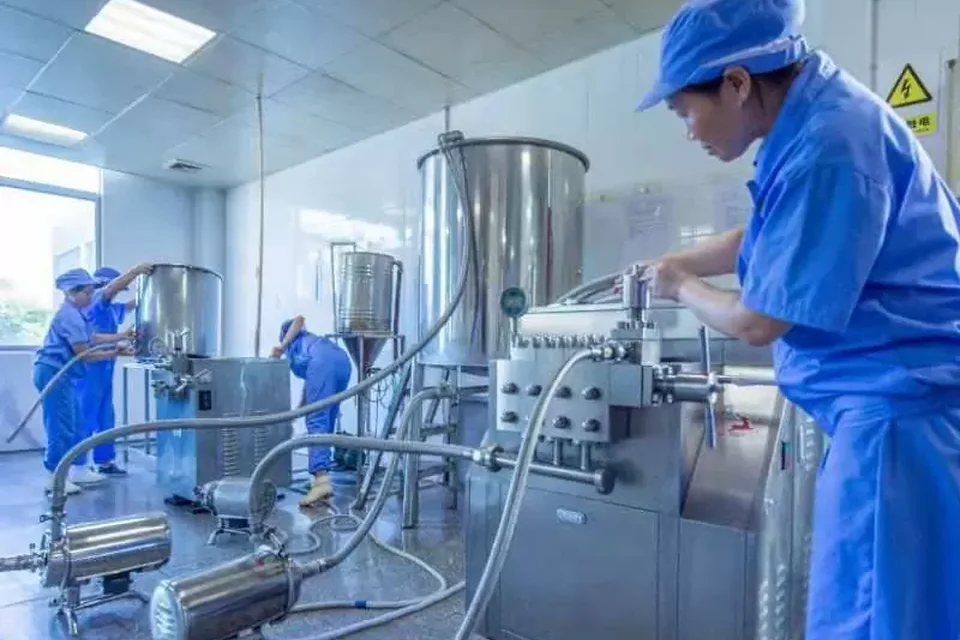
Application visual for flavor selection, sample review, and buyer discussion.
Direct answer
What a buyer needs to know first
Food flavors are food-grade flavor products used to build or adjust taste and aroma in commercial foods and beverages. B2B buyers should choose flavors by application, target sensory profile, format, process conditions, document needs, and purchasing stage. LULIN FLAVOR can guide sample requests and RFQs, while exact certifications, MOQ, timing, and documents require confirmation.
Buyer brief
Check fit before requesting a sample
Application guidance
Review the flavor in the real product system
What Food Flavors Mean For Commercial Buyers
"Food flavors" is a broad search, but most B2B buyers arrive with a specific job to do. They may be building a beverage line, improving a bakery product, preparing a confectionery launch, replacing a current supplier, or collecting sample options for a distributor portfolio.
The page should explain the category in practical terms. Food flavors are selected for a finished product and tested inside that product, not judged only by the name on a bottle or sample label. Mango, milk, vanilla, coffee, caramel, or berry can each have different profiles depending on the application and market preference.
LULIN FLAVOR can be positioned as a food flavor supplier for sample requests, application discussion, and RFQ preparation. Public company information supports conservative background wording around food-grade flavors, Quanzhou location, and development, production, and sales activity. Exact commercial and compliance claims should wait for confirmation.
Choosing Flavors By Application
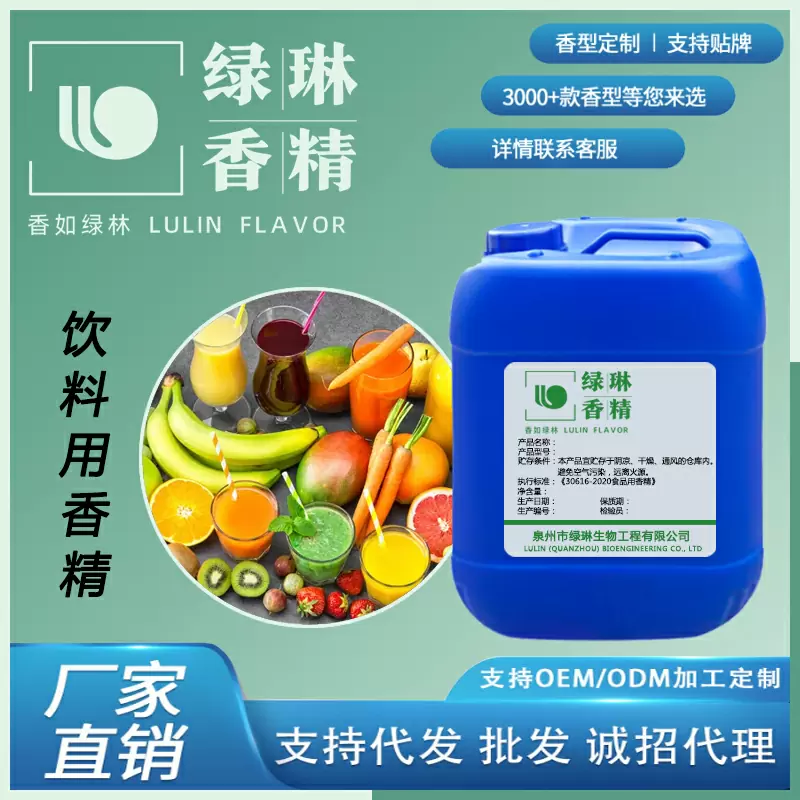
Application is the first useful filter. Beverage flavors may need to be reviewed against acidity, sweetness, dilution, carbonation, heat treatment, clarity, or aroma release. Bakery flavors may need to perform through heating and cooling, especially in dough, batter, cream, filling, or topping systems.
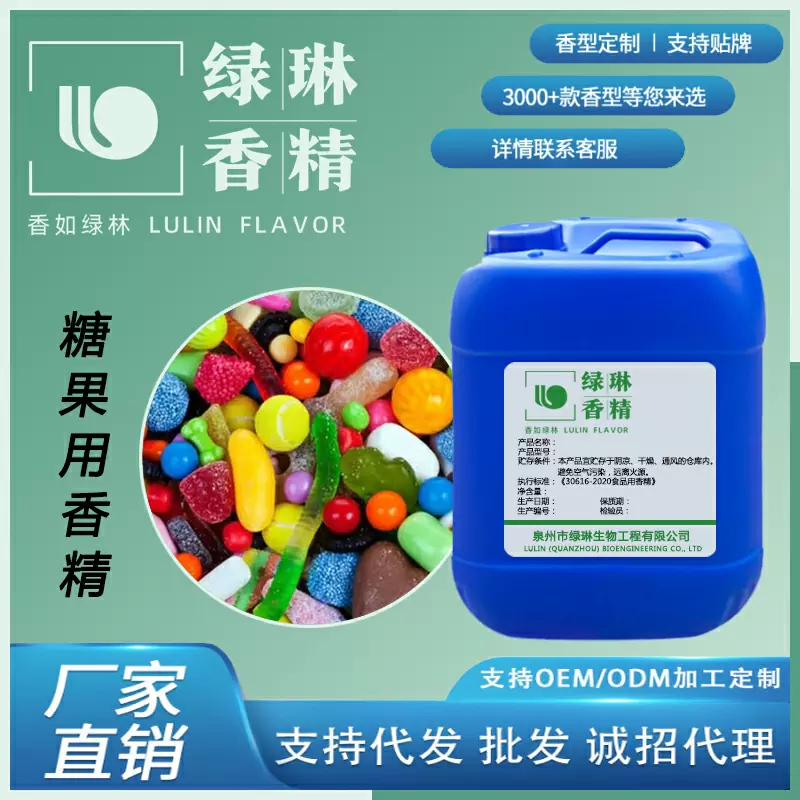
Confectionery and candy flavors can depend on sugar system, acidity, coating, filling, chewing time, and how the top note appears during eating. Carbonated alcoholic beverage projects may require attention to alcohol content, carbonation, acidity, sweetness, and finished-product aroma.
This does not mean the website should promise performance for every use case. It means the buyer should send the right context so the supplier can start with a relevant sample direction.
Supplier Review And Sample Testing
Sample testing should be treated as part of product development. A buyer can request food flavors by profile, but the supplier conversation becomes more useful when the buyer explains the base formula, process, target market, and evaluation method.
If the buyer already has a benchmark, they can describe it privately in sensory language. If they are replacing an existing supplier, they should explain the reason: cost review, flavor drift, weak aroma, aftertaste, document request, supply concern, or need for a new profile. That context helps avoid sending samples that are technically available but commercially irrelevant.
The page should also remind buyers to confirm document needs early. Requests for technical data, safety data, allergen-related statements, natural declarations, certificates, or country-specific materials should be listed for review, not assumed as available.
Preparing A Bulk Food Flavor Inquiry
When a sample direction is close, the discussion can move toward bulk purchasing. Buyers should provide order range, annual forecast if available, packaging expectations, destination market, document list, and target schedule. LULIN FLAVOR can review those details, but the website should not publish fixed MOQ, lead time, sample terms, freight policy, export market coverage, or payment terms without approval.
For early projects, it is acceptable to send approximate information. "Lab screening now, pilot later" is more useful than pretending a final order is ready. The point is to give the supplier enough context to respond with the right next step.
The page should guide readers to request a sample first when the formula is still being developed, and to prepare a fuller RFQ when the product is closer to commercial purchasing.
Food Flavor Category Pages Should Guide Buyers To The Right Application Page
A broad food flavors page should not try to answer every project in one block. It should help buyers choose a path: beverage, bakery, dairy, confectionery, savory, seasoning, powder, liquid, natural, artificial, custom development, documents, or sample request.
For AI indexing and buyer conversion, each path should have a clear answer block and a practical RFQ checklist. The broad page can explain how LULIN FLAVOR reviews applications, while the detailed pages carry the specific testing notes. This keeps keyword coverage broad without turning the site into duplicate doorway pages.
Sample review
Send the details that make a flavor quote useful
Food flavors change with sweetness, acid, fat, process, storage, format, and market requirements. A practical brief helps the supplier choose a better sample path.
RFQ checklist
Information to prepare before requesting samples
Ask buyers to provide:
- Business role: manufacturer, distributor, importer, brand owner, private label team, or R&D group.
- Application category: beverage, bakery, confectionery, candy, carbonated alcoholic beverage, or another food product.
- Target food flavor profile and sensory goal.
- Process conditions, such as heat, acidity, carbonation, fat content, alcohol content, dilution, or powder blending.
- Preferred format if known: liquid, powder, concentrate, or open to supplier review.
- Sample testing plan and approval criteria.
- Project stage: concept, lab sample, matching, pilot production, launch preparation, bulk purchasing, or supplier replacement.
- Destination market and required documents. Availability must be confirmed before any claim.
- Trial quantity, first order range, and annual forecast if available. These do not confirm MOQ.
- Packaging, labeling, storage, shipping, and target schedule expectations for review.
Buyer FAQ
Common questions before sample selection
What are food flavors?
Food flavors are food-grade flavor products used to create or adjust taste and aroma in finished foods and beverages. In B2B sourcing, they should be selected by application and tested in the real product base.
How should a buyer choose food flavors for a new product?
Start with the finished product, target profile, process conditions, required format, document needs, and testing plan. Then request samples that match the application instead of choosing by flavor name alone.
Can one food flavor work in beverage, bakery, and candy?
Sometimes a profile can be adapted across applications, but performance depends on formula, process, heat, acidity, sugar system, fat content, and format. Each application should be tested separately.
When should I request bulk food flavors?
Request bulk discussion after the sample direction is close enough for purchasing review. Provide expected order range, packaging needs, destination market, document list, and timing requirements for confirmation.
Are certifications, MOQ, lead time, and export details confirmed here?
No. This page should not claim certificates, fixed MOQ, lead time, export market coverage, document availability, or commercial terms until LULIN FLAVOR confirms the details.
How should buyers use a broad food flavors page?
Start with the category, then move to the application page that matches the product. Prepare application, target taste, process, format, market, quantity stage, documents, and sample purpose before inquiry.
Topic cluster
Explore related flavor topics
Inquiry path