

Food Flavor Enhancers
Request food flavor enhancers with application, profile target, food flavoring format, process notes, document needs, and sample details.

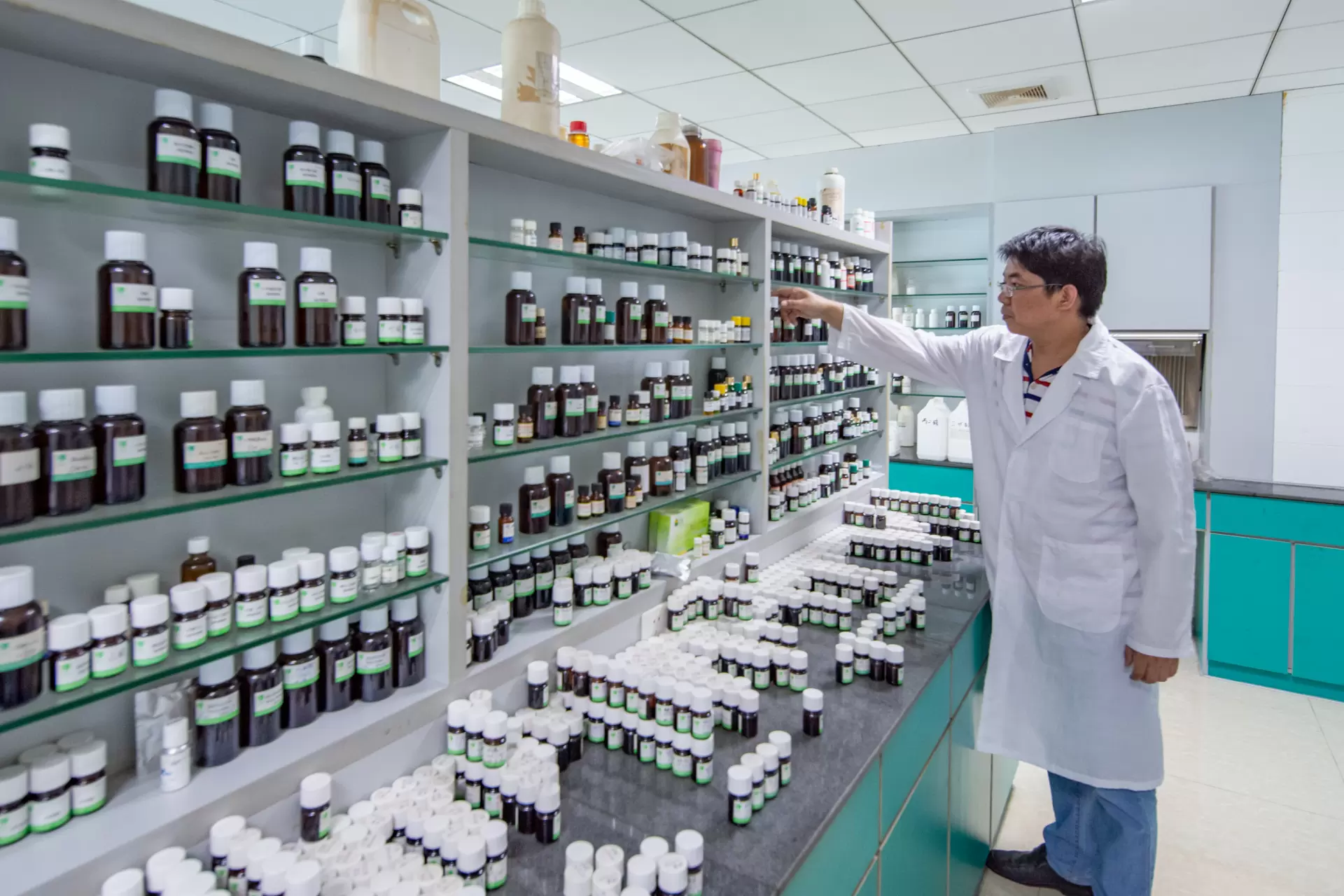
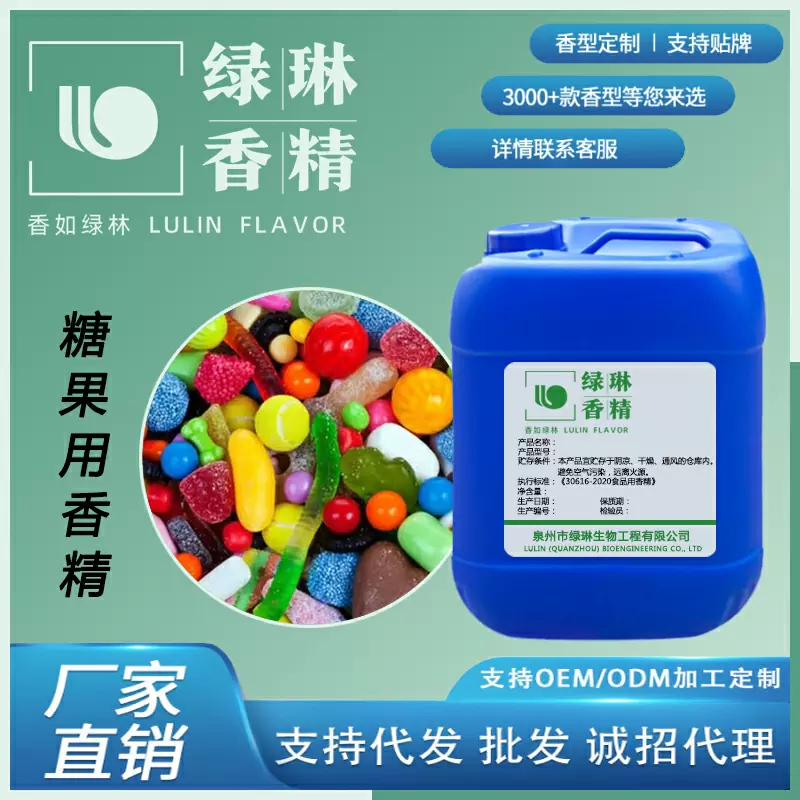
Application visual for flavor selection, sample review, and buyer discussion.
Direct answer
What a buyer needs to know first
Food Flavor Enhancers should be treated as a profile-specific food flavoring request, not a confirmed stock claim. Buyers should define the application, target note, base formula, process, preferred format, market, and document needs before sample review. Product availability, use level, stability, solubility, certificates, MOQ, price, packaging, and lead time are Needs confirmation.
Buyer brief
Check fit before requesting a sample
Application guidance
Review the flavor in the real product system
Define The Profile Before Asking For A Sample
Food Flavor Enhancers can point to several sensory directions. In B2B work, the buyer should say whether the target is balanced taste support. A flavor name alone is not enough, because the same word can mean a candy top note, a creamy dessert note, a baked note, a beverage note, or a savory support direction.
The finished application should guide the sample request. Candy, bakery, beverage, dairy-style dessert, syrup, powder mix, filling, and seasoning systems do not release flavor in the same way.
Where This Flavor May Need Separate Testing
A supplier should review food flavor enhancers against the real product base. Sweetness, acidity, fat, heat, water phase, dry blending, color, and competing flavors can all change the result. If the buyer is replacing a current flavor, the brief should explain what is wrong with the current profile.
For this proof-gated draft, LULIN FLAVOR should confirm whether the profile is an active public product direction before the page is published.
How To Avoid A Weak Enhancer Brief
Food flavor enhancers should not be used as a vague request to "make it taste better." Buyers should name the sensory job first: strengthen a top note, round a harsh edge, improve perceived sweetness, add savory depth, reduce a lingering aftertaste, or support a flavor that fades during processing. Enhancement and masking are related in some projects, but they are not the same task. A masking request should identify the off-note source, while an enhancer request should define the profile or balance that needs more presence.
The base formula matters more than the name on the sample label. Acidity, sweetener type, salt level, fat phase, plant protein, cocoa, tea, coffee, alcohol, carbonation, and heat treatment can all change whether an enhancer feels clean or heavy. Buyers should send a benchmark sample or sensory note when possible, then test the proposed direction in the real formula rather than in water only.
The supplier brief should keep performance claims controlled. Use level, stability, solubility, carrier fit, heat behavior, shelf life, storage, documents, certificates, MOQ, price, lead time, packaging, sample policy, custom development scope, formula ownership, and export markets are Needs confirmation. If a distributor wants a flexible enhancer range for several customers, the inquiry should say which applications are most important and which document set is required for each market.
Flavor Enhancers Should Be Linked To A Specific Problem
Food flavor enhancer requests should state the problem: weak flavor, poor body, bitter aftertaste, plant-protein off-note, low-sugar reformulation, salt reduction, acid imbalance, or loss of aroma after processing. Without the problem, the supplier cannot know whether the project needs a flavor change, dosage review, masking route, or format adjustment.
The buyer should provide the application, base formula context, process, current dosage if known, target sensory change, and label/document limits. Enhancer wording can be sensitive, so availability, use level, and regulatory or label statements are Needs confirmation.
Food Flavor Enhancer Requests Should Define The Gap In The Formula
Food flavor enhancers are often requested when a product feels flat, weak, thin, harsh, bitter, or unbalanced. The buyer should describe the gap instead of asking for an enhancer in general. A beverage may need freshness, a snack may need body, a dairy product may need creaminess, and a reduced-sugar formula may need aftertaste control.
Send the base product, current issue, benchmark, process, target profile, and any ingredient restrictions. Enhancement work should be tested in the full formula because the same material may behave differently with acid, salt, fat, sweeteners, heat, or storage.
Sample review
Send the details that make a flavor quote useful
Food flavors change with sweetness, acid, fat, process, storage, format, and market requirements. A practical brief helps the supplier choose a better sample path.
RFQ checklist
Information to prepare before requesting samples
Send these details when requesting food flavor enhancers samples or quotation review:
- Finished application: beverage, bakery, confectionery, dairy-style dessert, syrup, powder mix, filling, seasoning, or another food application.
- Target profile: balanced taste support.
- Base formula notes: sweetness, acidity, fat phase, water phase, color, heat step, dry blending, carbonation, dairy-style ingredients, plant base, or competing flavor notes as relevant.
- Preferred food flavoring format: liquid, powder, concentrate, emulsion, oil-compatible, water-soluble, or open to review. Needs confirmation.
- Testing plan: lab sample, benchmark match, pilot trial, distributor range review, reformulation, or new product development.
- Document needs: COA, SDS/MSDS, TDS, allergen statement, Halal, Kosher, FDA, EU, ISO, HACCP, FSSC, organic, vegan, non-GMO, and other declarations. Needs confirmation.
- Commercial details: MOQ, price, packaging, shelf life, storage, lead time, sample policy, export workflow, and payment terms. Needs confirmation.
Buyer FAQ
Common questions before sample selection
What information should I send for food flavor enhancers?
Send the application, target profile, base formula, process, preferred format, market, document needs, sample purpose, and any benchmark notes. MOQ, price, packaging, shelf life, storage, lead time, sample policy, export workflow, and payment terms. Needs confirmation.
Can one sample work across multiple applications?
It may need separate testing. Beverage, candy, bakery, dairy-style, syrup, and powder systems can change flavor release and balance.
Can you confirm use level on this page?
No. Use level depends on the finished formula, processing, target intensity, and market review. Any dosage or trial range must be confirmed before public use or quoting.
Which documents should be requested?
List the documents your customer or importer needs, including COA, SDS/MSDS, TDS, allergen statement, Halal, Kosher, FDA, EU, ISO, HACCP, FSSC, organic, vegan, non-GMO, and other declarations. Needs confirmation.
What should be checked before this becomes a buyer-facing supplier page?
No. It is a project confirmation. Product availability, sample policy, contact path, images, documents, and commercial terms must be checked before public use.
Are food flavor enhancers the same as masking flavors?
Not always. Enhancement usually builds or balances a desired taste direction, while masking focuses on reducing an unwanted note. The best route depends on the base formula, target profile, use level, stability, solubility, and sample testing, all Needs confirmation.
What should buyers send for food flavor enhancer support?
Send the application, current sensory problem, base formula context, process conditions, target improvement, format preference, dosage if known, label limits, market, and document needs. The supplier can then review whether flavor, format, or dosage should change.
What should I send for food flavor enhancer review?
Send the finished product, current sensory gap, benchmark, base formula context, process, target profile, ingredient limits, market, format preference, and documents. Test in the complete formula.
Topic cluster
Explore related flavor topics
Inquiry path