Application fit
lemon lime beverage flavoring
Lemon Lime Beverage Flavoring
Start with the product, target market, and project goal. Technical details are optional at first contact.
Direct answer
Lemon lime beverage flavoring should be selected by citrus profile, drink base, sweetness, acidity, processing, and target market. A useful inquiry identifies whether the product is flavored water, juice drink, tea, syrup, powder drink, carbonated drink, or dairy-style beverage. The supplier can then review format, solubility, stability, use level, documents, and commercial terms for the selected item.
Application checkpoints
Process fit
Profile Choices Buyers Should Name
Review the detailed guidanceSensory fit
Lemon Lime Beverage Flavor Needs Acid And Sweetness Balance
Review the detailed guidance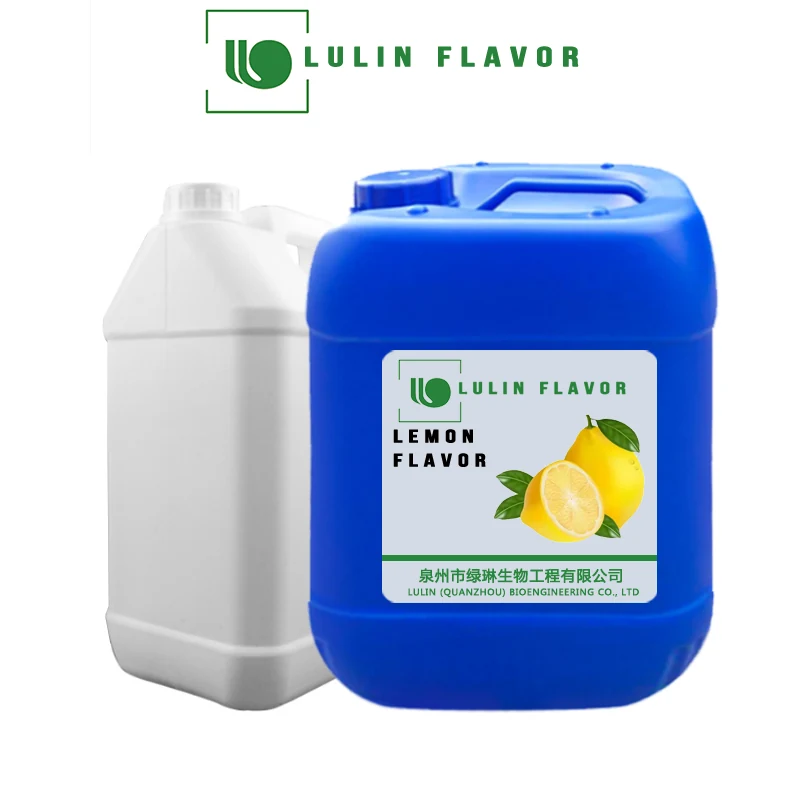
Product packaging
Lemon Flavor
Lemon flavor packaging for beverage application inquiries.
Start with the product or flavor and target market. Item codes, formats, documents, packaging, and commercial terms can be confirmed after we understand the project.
Request samplesApplication routes
Define The Beverage System Before Sampling
A lemon lime beverage flavoring inquiry is more useful when the buyer explains the drink system. The same lemon note can behave differently in flavored water, juice drink, tea, carbonated drink, syrup, powder drink, milk beverage, or cocktail-style product. Sweetness, acidity, color, cloudiness, carbonation, and process all change how the profile is judged.
A universal use level or compatibility statement would not fit every beverage system. Send the base, process, target market, and benchmark so each sample can be reviewed in context.
Lemon-lime is often used where the drink needs a clean citrus top note, but the base decides whether that note feels fresh, candy-like, sharp, bitter, or thin. A carbonated soda may need a profile that remains clear after carbonation and chilling. A sports drink should be reviewed against minerals, salts, sweeteners, and acid balance. A powder beverage should be checked both as dry mix and after reconstitution. Syrup should be tasted before and after dilution. Ask for technical review of solubility, use level, carbonation, acid, heat, dry-mix, and dilution behavior for the exact sample.
For pilot trials, the buyer should decide what success means before comparing samples. Is the goal a sharper lime finish, a softer lemon opening, less peel bitterness, better aroma after carbonation, or a closer match to an existing market product? Record the base formula version, process step, tasting temperature, dilution, carbonation level if relevant, and benchmark comments. This makes revision feedback more useful than saying only that the sample is too weak or too strong.

Profile Choices Buyers Should Name
For lemon lime beverage flavoring, profile language matters. A buyer may want lemon, lime, lemon-lime soda, citrus peel, or bright acid-balanced notes. Those phrases guide which sample family should be reviewed. If the buyer has a benchmark, they should describe what they like and dislike about it.
Beverage developers should also say whether they need liquid flavoring, powder flavoring, concentrate, a water-soluble direction, emulsion, or an open format review. The available format and its behavior should be checked against the actual formula and process.
Useful profile notes can be simple: fresh lemon, lime zest, lemonade, lemon-lime soda, candied citrus, juicy citrus, peel note, low bitterness, stronger top note, or softer acid impression. These are sensory targets, not product claims. Request item-level documents before using natural, clean label, allergen, vegan, non-GMO, organic, or market-specific wording.
Project challenges

Lemon Lime Beverage Flavor Needs Acid And Sweetness Balance
Lemon lime beverage flavoring is usually judged in an acidic base, so the buyer should describe pH, sweetener system, carbonation, clarity, and whether the target is peel, juice, candy, soda, sports drink, or clean sparkling-water style. A flavor that smells bright in a sample bottle can become sharp, bitter, or thin after dilution.
For better sample review, test the flavor at the intended sweetness and acid level. Record whether the lemon note dominates, whether lime feels fresh or harsh, whether the finish is bitter, and whether carbonation changes aroma lift. If the product is unsweetened or lightly sweetened, aftertaste control becomes more important than intensity alone.
Lemon Lime Beverage Flavoring Needs Acid Sharpness Control
Lemon lime beverage flavoring is often used in carbonated drinks, flavored water, energy drinks, sports drinks, powdered drinks, syrups, and tea drinks. The buyer should define whether the target is juicy lemon-lime, peel-forward, sour candy, sparkling citrus, or clean flavored-water direction.
Acid type, pH, sweetness system, carbonation, salt or electrolyte use, heat process, and serving temperature can change the profile. If the base already has strong acid or functional bitterness, include that context so the sample is not judged only by top-note strength.
RFQ checklist
Optional details for follow-up sample planning
These details are optional for first contact. Share them later when they are available.
Send these details when requesting lemon lime beverage flavoring samples or quotation review:
- Finished application: flavored water, juice drink, tea drink, carbonated drink, syrup, powder beverage, milk beverage, sports drink, or another beverage system.
- Target profile: lemon, lime, lemon-lime soda, citrus peel, or bright acid-balanced notes.
- Base formula notes: sweetness, acidity, fat phase, water phase, color, heat step, dry blending, carbonation, dairy-style ingredients, plant base, or competing flavor notes as relevant.
- Preferred food flavoring format: liquid, powder, concentrate, emulsion, oil-compatible, water-soluble, or open to review; ask which options fit the stated beverage base and process.
- Testing plan: lab sample, benchmark match, pilot trial, distributor range review, reformulation, or new product development.
- Document needs: confirm any COA, SDS/MSDS, TDS, allergen statement, Halal, Kosher, FDA, EU, ISO, HACCP, FSSC, organic, vegan, non-GMO, or other files required for the exact item and market.
- Commercial details: request a project-specific review of MOQ, price, packaging, shelf life, storage, lead time, sample policy, export workflow, and payment terms.
Buyer FAQ
Common questions before sample selection
What information should I send for lemon lime beverage flavoring?
Send the application, target profile, base formula, process, preferred format, market, document needs, sample purpose, and benchmark notes. Ask the supplier to quote MOQ, price, packaging, shelf life, storage, lead time, sample policy, export workflow, and payment terms against that brief.
Does the beverage base change the sample choice?
Yes. Water, juice drink, tea, carbonated drink, syrup, powder drink, and dairy-style beverage bases can need different formats or profile adjustments. Suitability should be evaluated in the intended base.
Can you confirm use level on this page?
No. Use level depends on the finished formula, processing, target intensity, and market review. Request dosage guidance for the selected sample and validate it in the intended beverage.
Which documents should be requested?
List the documents your customer or importer requires, including any COA, SDS/MSDS, TDS, allergen statement, Halal, Kosher, FDA, EU, ISO, HACCP, FSSC, organic, vegan, non-GMO, or other declaration. Ask the supplier to confirm availability and wording for the selected item.
How should buyers compare lemon lime samples before approval?
Compare samples in the intended beverage base, not only in water. Keep sweetness, acidity, dilution, carbonation, process, and tasting temperature consistent across trials. Agree on use level, stability, solubility, and commercial approval criteria before selecting the production item.
What should buyers send for lemon lime beverage flavoring?
Send the beverage type, pH or acidity, sweetness system, carbonation, clarity requirement, target lemon-lime style, process, format preference, sample purpose, destination market, and document needs. Test in the final drink base before approving.
What details help source lemon lime beverage flavoring?
Send drink type, citrus style, pH, acid type, sweetness, carbonation, salt or functional notes, heat process, serving condition, market, format preference, and document list.
Topic cluster
Explore related flavor topics
Beverage Flavors for Drinks and Product DevelopmentCompare flavor behavior in beverage and water-based applications.Powder vs Liquid Food Flavors: Format Selection GuideCompare flavor form, solubility, handling, and application fit.Natural vs Artificial FlavorsReview label wording and claim-sensitive flavor questions cautiously.Food Flavor Compliance Documents Request GuideCheck which document and market questions should be confirmed before ordering.Custom Flavor Development for Food Product ProjectsMove from a general flavor search into a project-specific development brief.Sample requestStart with the product, target market, and project goal. Add technical details later if available.
Inquiry path
Move from page research to sample discussion
Start with your name, email, product or flavor, country, and project details. Add technical information only if it is already available.