Application fit
tea coffee flavors
Tea and Coffee Flavors for Beverage Development
Start with the product, target market, and project goal. Technical details are optional at first contact.
Direct answer
Tea and coffee flavors should be matched to the beverage base, sweetness, milk or non-dairy ingredients, processing conditions, and target sensory profile. Buyers should state whether the project is RTD, powder, milk tea, coffee drink, syrup, or another format. Include the process, benchmark, testing method, preferred format, destination market, and required documents when requesting samples.
Application checkpoints
Process fit
Tea Flavor Directions For Beverage Projects
Review the detailed guidanceSensory fit
Coffee Flavor Directions For Drink Applications
Review the detailed guidance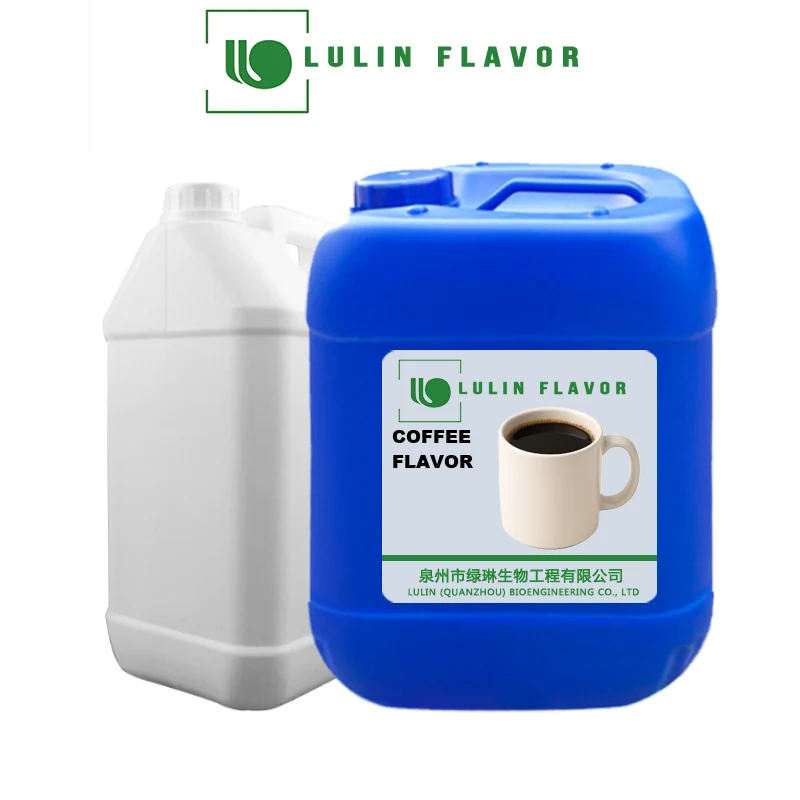
Product packaging
Coffee Flavor
Coffee flavor packaging for beverage and product-development inquiries.
Start with the product or flavor and target market. Item codes, formats, documents, packaging, and commercial terms can be confirmed after we understand the project.
Request samplesApplication routes
Define The Tea Or Coffee Base First
Tea and coffee beverage projects are rarely solved by the flavor name alone. A black tea note for a lemon tea drink, a roasted note for milk tea, and a coffee note for a sweet bottled drink are different sample requests. The base gives the flavor its context.
Buyers should describe whether the product is ready-to-drink, powdered drink mix, milk tea, coffee beverage, tea concentrate, syrup, carbonated tea drink, or a blended concept with fruit, dairy-style, or botanical notes. The same flavor direction can feel very different in a clear tea base, milk-containing base, non-dairy creamer system, or high-sweetness drink.
The sample request should also explain the intended profile. Is the drink meant to taste freshly brewed, roasted, creamy, bitter-balanced, floral, fruity, caramel-like, smoky, or sweet and dessert-like? That description helps the supplier choose a practical starting point.

Tea Flavor Directions For Beverage Projects
Tea beverage buyers may ask about black tea, green tea, oolong, jasmine tea, lemon tea, peach tea, milk tea, fruit tea, herbal-style notes, or roasted tea directions. Each direction needs a different balance of tea character, sweetness, acidity, and finish.
For fruit tea projects, the buyer should explain whether the fruit should lead or support the tea note. For milk tea, the profile needs to sit with dairy or non-dairy ingredients. For lemon tea, acidity and citrus peel character can change the finished impression. Each sample should be checked in the intended base and process.
If the buyer is replacing a current tea flavoring, the request should include the problem: weak tea body, too much bitterness, poor fruit balance, harsh aftertaste, insufficient roast note, or mismatch with the finished drink concept.
Project challenges

Coffee Flavor Directions For Drink Applications
Coffee beverage flavor requests can involve roasted coffee, latte, cappuccino, mocha, caramel coffee, vanilla coffee, milk coffee, or dessert-style coffee notes. Some buyers need a stronger roasted top note. Others want a smoother coffee impression that works with milk, sugar, or a powdered drink base.
The formula context matters. Coffee notes can be perceived differently in RTD drinks, powders, syrups, dairy-style beverages, and blended dessert drinks. If bitterness, sweetness, cocoa, milk, caramel, or vanilla notes are part of the profile, they should be named in the brief.
Tea and coffee flavor buyers should send the drink base, tea or coffee solids, milk or non-dairy ingredients, sweetness, acidity, process, and sensory target. Add any solubility, stability, format, and use-level requirements to the testing brief for the selected application.
Sample Review With LULIN FLAVOR
LULIN FLAVOR is the English brand of QUANZHOU LVLIN BIOENGINEERING CO., LTD., a food-grade flavor manufacturer and supplier based in Quanzhou, Fujian. Tea and coffee projects are reviewed through the beverage base, process, target profile, sample method, market, and document requirements.
For tea and coffee flavors, the most useful inquiry is a small application brief. Buyers can share the drink type, tea or coffee base, sweetness and acidity direction, milk or non-dairy ingredients if used, process notes, market, and document needs. LULIN FLAVOR can then review whether an existing direction, adjusted sample, or custom development conversation makes sense.
A strong inquiry leads with the beverage base and target sensory profile rather than only a flavor list. That gives both teams a more useful first sample discussion.
RFQ checklist
Optional details for follow-up sample planning
These details are optional for first contact. Share them later when they are available.
Send these details when requesting tea or coffee beverage flavor samples:
- Product type: RTD tea drink, fruit tea, lemon tea, milk tea, coffee drink, latte-style drink, powdered drink mix, syrup, concentrate, or another beverage application.
- Main direction: black tea, green tea, oolong, jasmine, roasted tea, lemon tea, peach tea, coffee, latte, mocha, caramel coffee, vanilla coffee, or another target profile.
- Base details: tea solids, coffee base, sweetness direction, acidity, milk or non-dairy ingredients, cocoa, caramel, fruit, carbonation if used, or alcohol content if present.
- Sensory target: brewed, roasted, floral, fruity, creamy, smoky, bitter-balanced, sweet, dessert-like, clean, or another buyer description.
- Process notes: mixing, heating, cooling, powder blending, dilution, carbonation step if used, or other conditions for sample review.
- Preferred food flavoring format if known.
- Current issue or benchmark: weak tea body, harsh bitterness, poor fruit balance, weak coffee roast, aftertaste, supplier replacement, or new launch direction.
- Destination market and item-specific document requests.
- Trial plan: test base, evaluation method, comparison standard, decision team, and feedback schedule.
- Commercial planning inputs if available, including expected purchasing stage, packing preference, shelf-life target, and timing requirements.
Buyer FAQ
Common questions before sample selection
What information should I send for tea flavor samples?
Send the drink type, tea direction, base notes, sweetness, acidity, fruit or milk ingredients if used, process conditions, preferred format, market, document requests, and sample testing plan.
What information should I send for coffee beverage flavors?
Share whether the project is RTD, powder, syrup, milk coffee, latte-style, mocha, or another format. Include sweetness, milk or non-dairy ingredients, roast target, process notes, and benchmark issues if any.
Can one tea or coffee flavor work in both RTD and powdered drinks?
It may need separate review. RTD beverages and powdered drink mixes have different bases, preparation methods, and sensory expectations. Buyers should test each intended application before selecting a sample for commercial use.
Can LULIN FLAVOR provide exact use rates for tea and coffee flavors?
Use level depends on the beverage base, process, target intensity, and selected item. Buyers should record trial levels and review application guidance during sample testing.
Are natural tea or coffee flavor claims confirmed?
Natural status is item- and market-specific. Buyers should state the desired label direction and request the related declaration and destination-market documents for the selected sample.
Topic cluster
Explore related flavor topics
Beverage Flavors for Drinks and Product DevelopmentCompare flavor behavior in beverage and water-based applications.Powder vs Liquid Food Flavors: Format Selection GuideCompare flavor form, solubility, handling, and application fit.Natural vs Artificial FlavorsReview label wording and claim-sensitive flavor questions cautiously.Food Flavor Compliance Documents Request GuideCheck which document and market questions should be confirmed before ordering.Custom Flavor Development for Food Product ProjectsMove from a general flavor search into a project-specific development brief.Sample requestStart with the product, target market, and project goal. Add technical details later if available.
Inquiry path
Move from page research to sample discussion
Start with your name, email, product or flavor, country, and project details. Add technical information only if it is already available.